The Marketer’s Toolkit
Digital marketers rely on a modern toolkit that multiplies output: design apps, analytics dashboards, email platforms, ad managers, and funnel builders. A single good tool can save days of work and help you turn ideas into campaigns quickly.

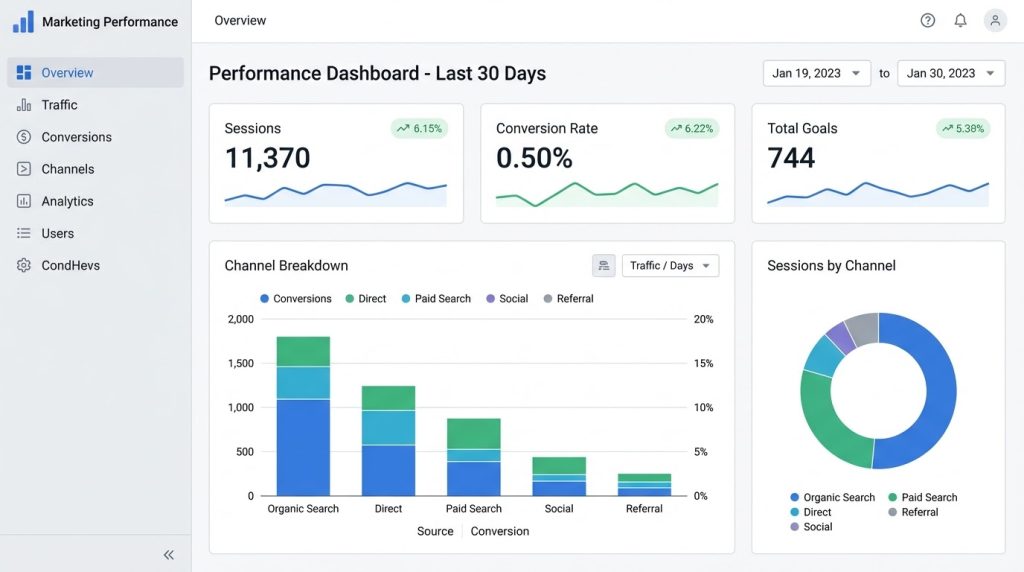
Analytics: Your Campaign Compass
Analytics are the compass that tell you where to steer. Track sessions, conversions, bounce rate and acquisition channels to pinpoint which pages and ads are actually producing leads and revenue. Without these numbers you’re guessing — with them you can repeat winners and cut losers fast.
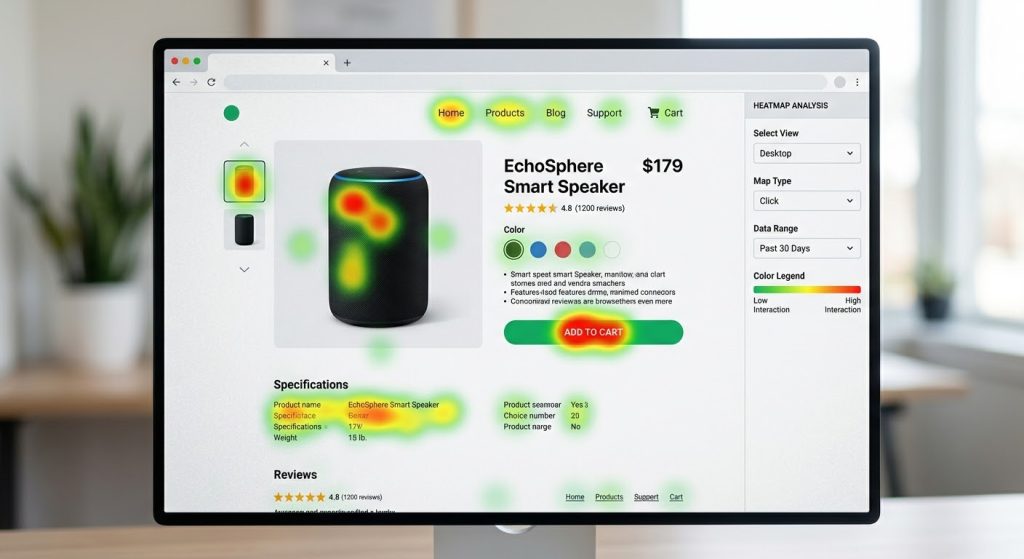
Heatmaps: See Where Visitors Really Look
Heatmaps reveal real user attention — where people click, how far they scroll, and which page elements are ignored. Use heatmaps to move important CTAs into hot zones, remove distractions, and increase engagement without changing your traffic sources.
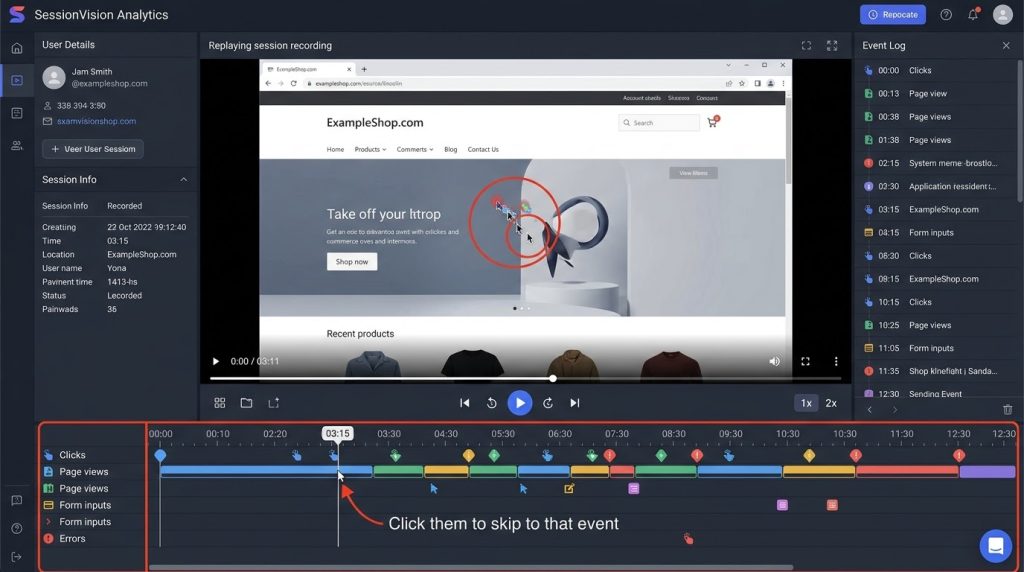
Session Recordings:Watch Real Visitor Sessions
Session recordings let you watch how individual visitors interact with pages — where they hesitate, what form fields they skip, and where confusion causes drop-off. These recordings spotlight UX issues you can fix immediately to improve conversions.
Keyword Tools: Find What People Are Searching For
Keyword research tools show actual search queries, monthly volumes, and competition levels. Use them to pick topics your audience searches for and to craft content that ranks and brings targeted traffic without guessing.

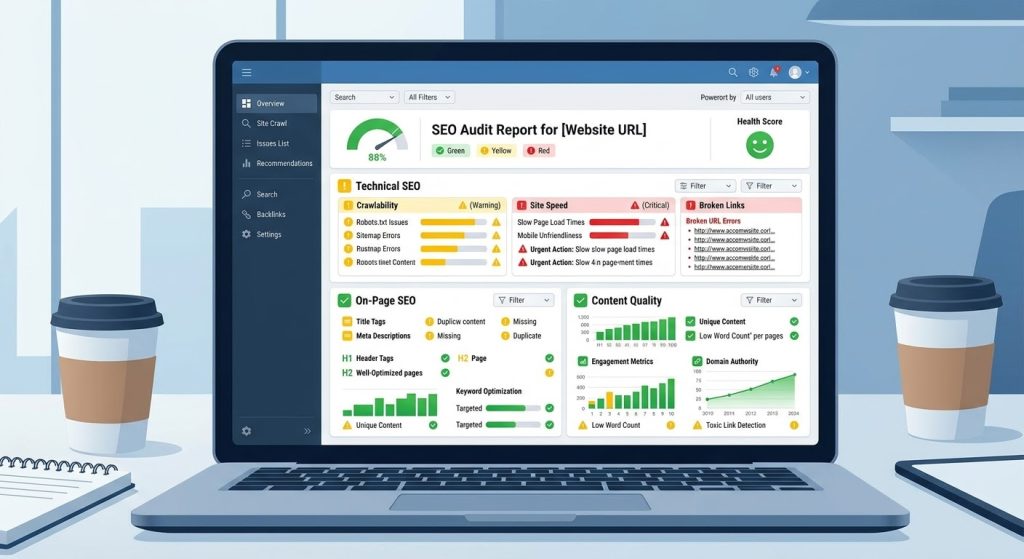
SEO Audit Tools: Fix Ranking Killers Fast
Automatic SEO audits surface broken links, missing meta tags, duplicate content, and slow pages. Run audits weekly to catch issues before they destroy rankings and to prioritize technical fixes that produce measurable gains.
Content Tools: Create Faster, Publish More
Content tools (writing assistants, headline testers, graphic templates) let you produce polished blog posts, social clips, and lead magnets quickly. When you publish consistently, search engines and social feeds reward you — these tools make consistency possible.
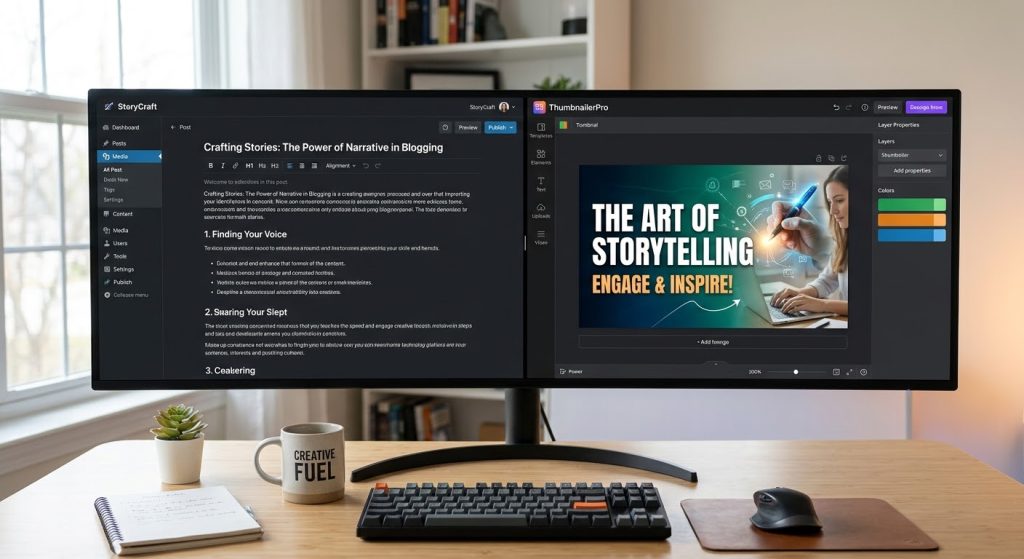
Video Tools: Short Video, Big Impact
Short videos (15–60s) convert attention into action. Use simple editors to trim, add captions, and create thumbnails — then repurpose the same clip across platforms to maximize reach with minimal extra work.

Graphic Design Tools: Brand Consistency
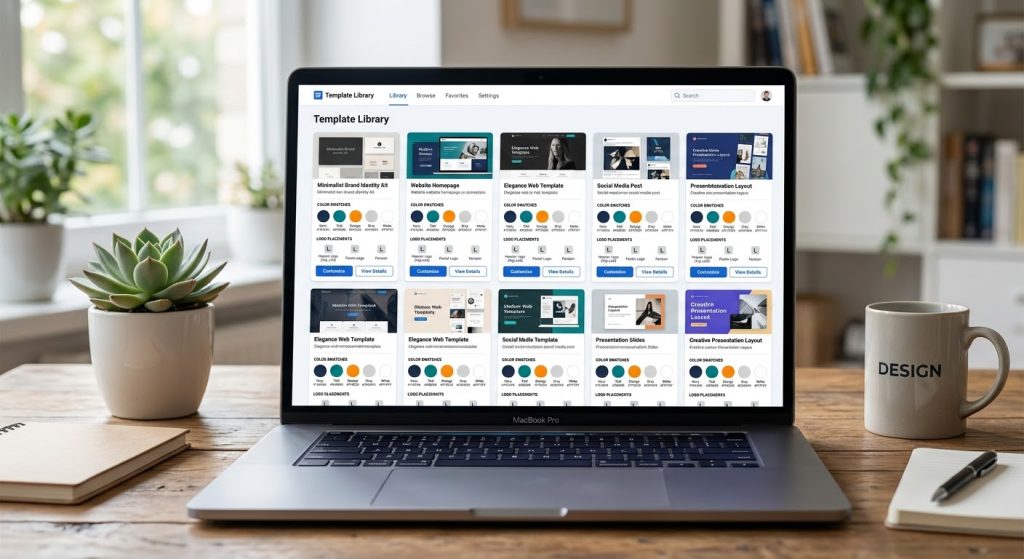
Design tools help you make consistent visuals — templates for ads, thumbnails, social posts, and email headers. A consistent visual brand reduces friction and builds recognition across platforms.
Landing Page Builders: Build Fast, Test Faster
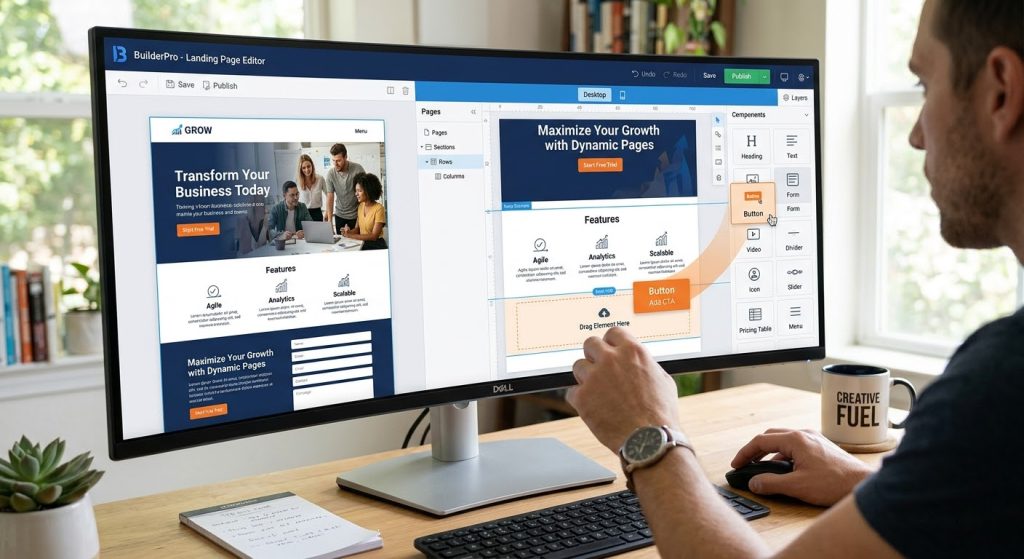
Landing page builders let you create focused pages for offers and tests without dev time. Build a simple headline → benefit → proof → CTA layout and iterate variants quickly to find the winners.
Funnel Builders: Chain Pages Into Profit Paths
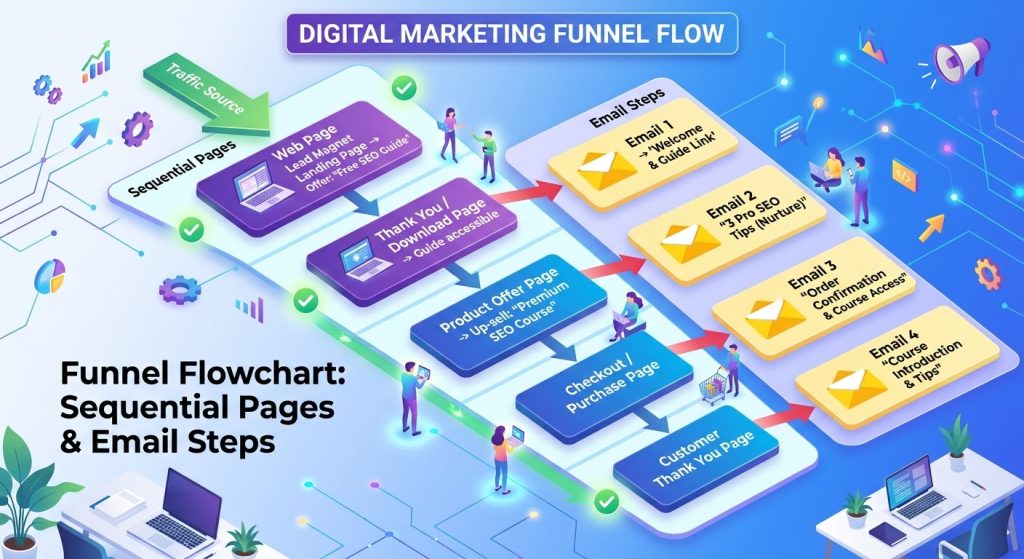
Funnel builders connect landing pages, upsells, and email sequences into automated revenue flows. Use them to capture leads, deliver value, and present staged offers that increase average order value.
CRM Systems: Keep Track of Real People
A CRM stores contacts, notes, and past interactions so you can personalize follow-ups. Treat leads as people — track origin, interest level, and last contact to improve close rates.

Email Platforms: Automate Nurture Sequences
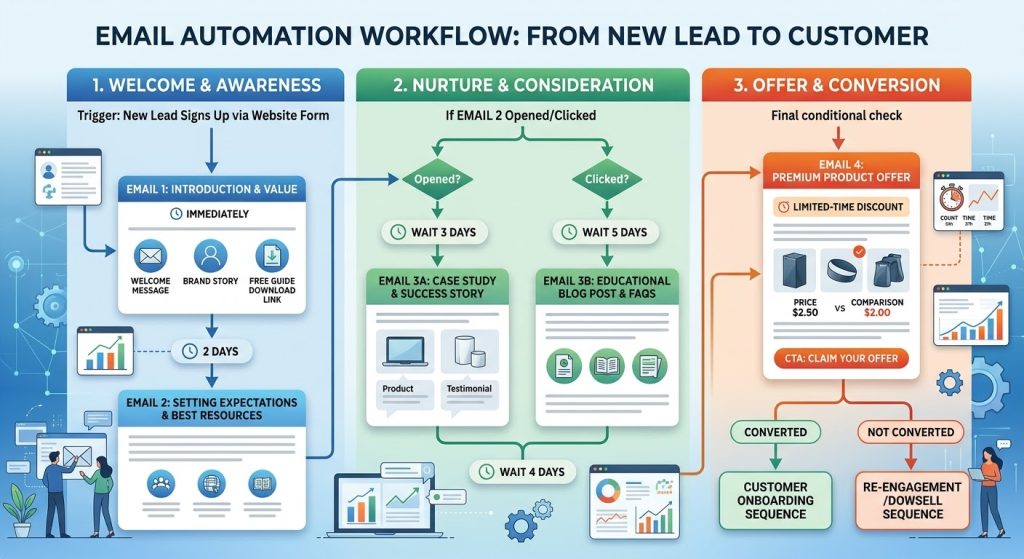
Email platforms manage signups, drip sequences, and broadcast messages. A well-built welcome series turns curious visitors into subscribers who trust you enough to buy later. Automations do the heavy lifting while you focus on content.
Popups & Lead Capture: Save More Visitors
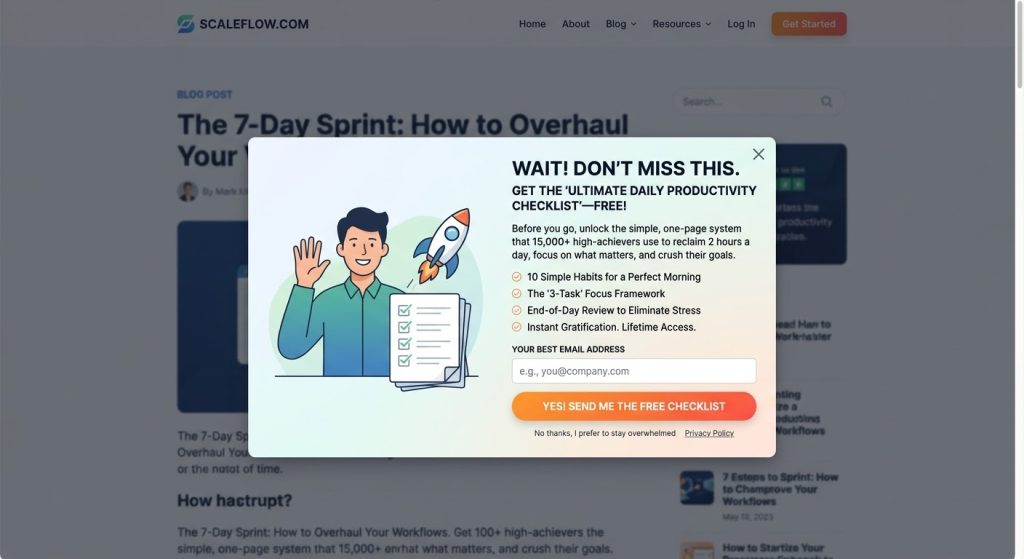
Smart popups and exit intent offers capture abandoning visitors and convert casual readers into leads. Offer a clear lead magnet (checklist, cheat sheet, mini-video) and keep the form fields minimal to reduce friction.
A/B Testing Tools: Iterate to Improvement
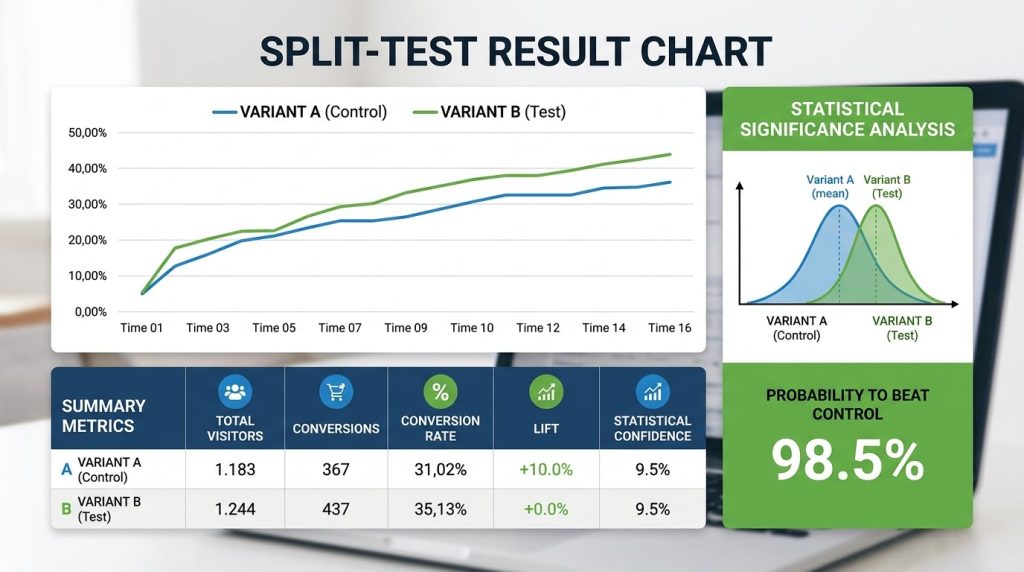
A/B testing tools let you compare two headlines, images, or CTAs to know what actually increases conversions. Test one change at a time and keep the winner. Small lifts compound into major revenue over time.
Analytics Attribution: Who Deserves the Credit?
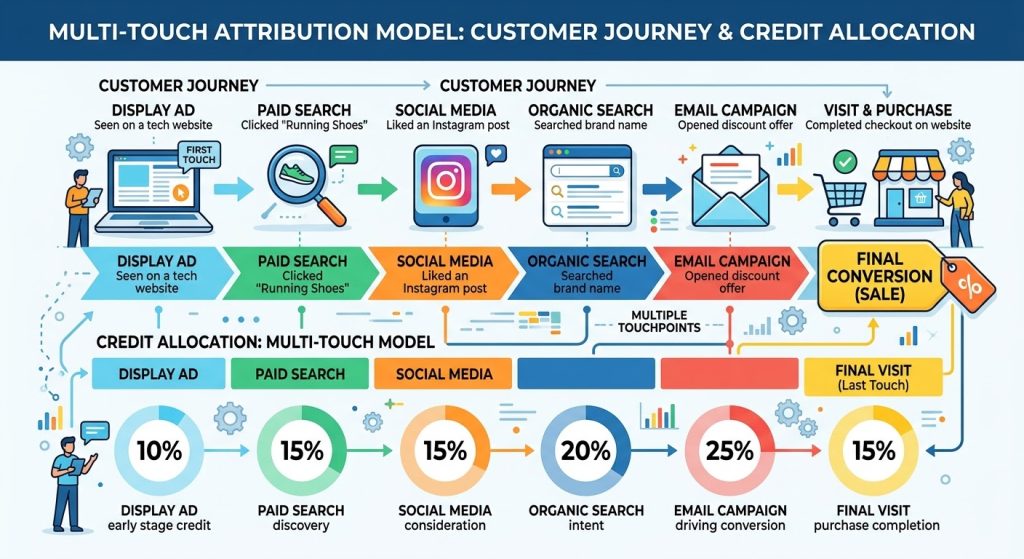
Attribution tools help you understand which touchpoints drove conversions — first click, last click, or multi-touch. Accurate attribution prevents you from killing the channels that actually help later-stage conversions.
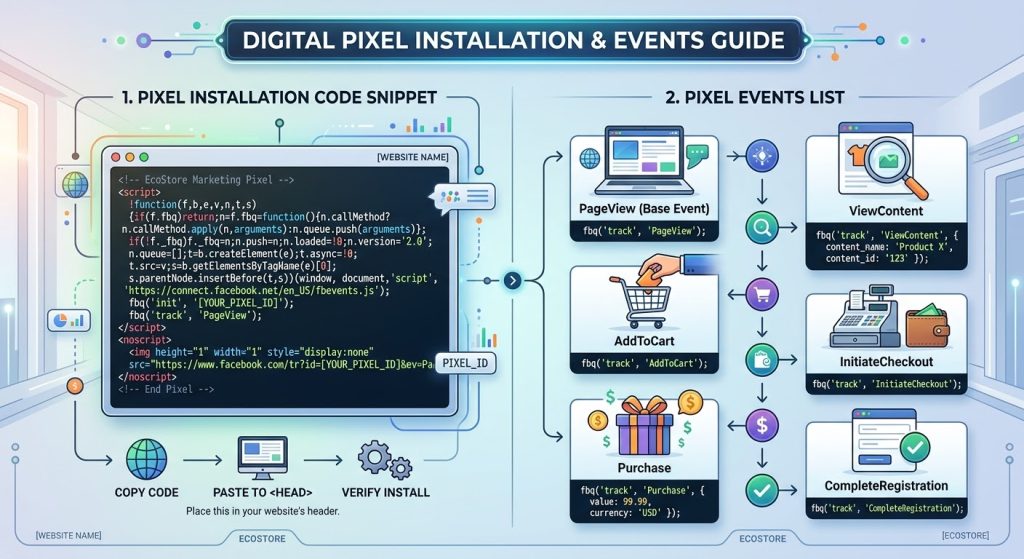
Retargeting Pixels: Follow Interested Visitors
Retargeting pixels allow you to show ads to people who already visited your site. These warm audiences convert much better — use retargeting with helpful content and soft CTAs to bring them back.
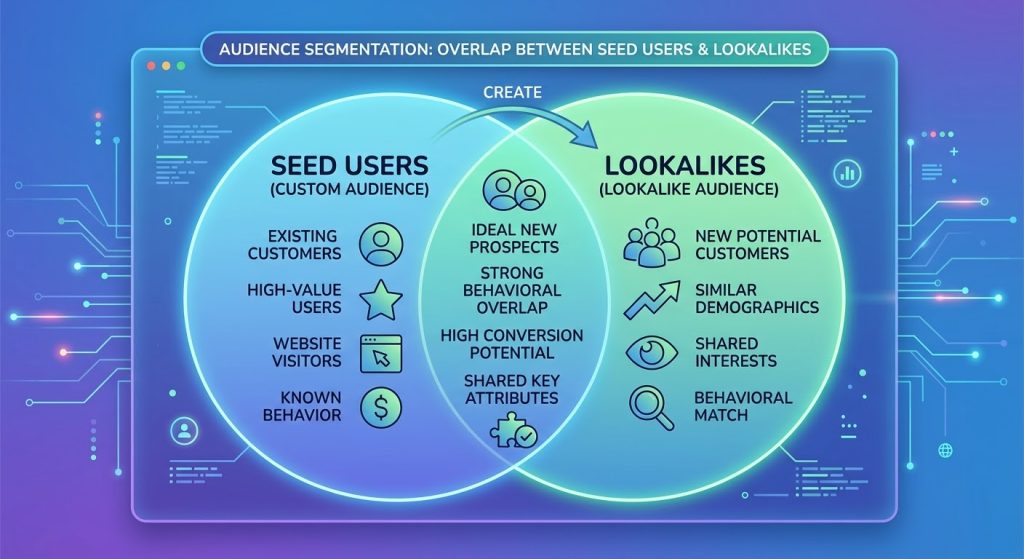
Lookalike Audiences: Find More People Like Your Best Customers
Lookalike audiences let ad platforms find users similar to your highest-value customers. Use them after you have a set of converters — they scale winners efficiently.
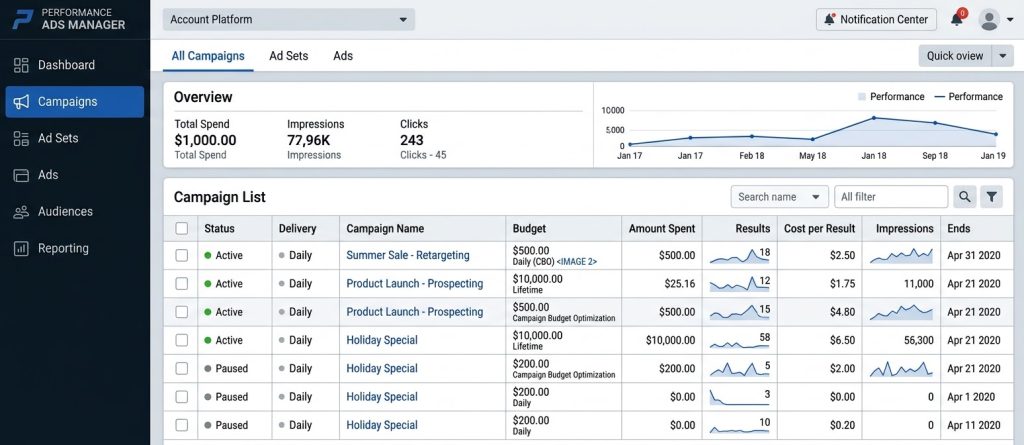
Ad Managers: Centralize Campaign Control
Ad managers consolidate multiple campaigns, budgets, and creatives. Use structured naming and consistent UTM tagging so you can analyze performance across platforms without confusion.
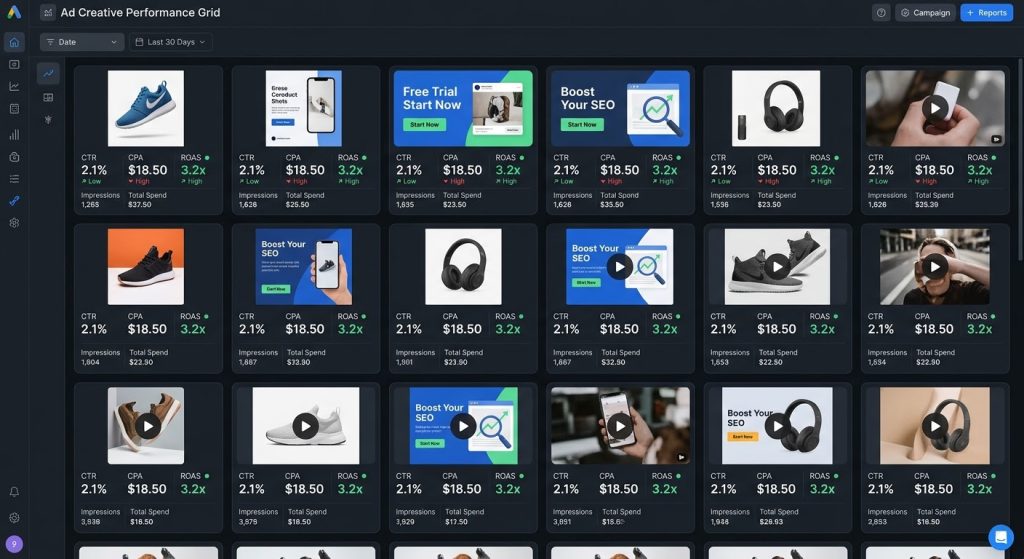
Creative Testing: Find the Message That Wins
Rotate images, headlines, and descriptions to see which combination yields the best CTR and conversion. Test one variable at a time — image first, then headline — to isolate winners.
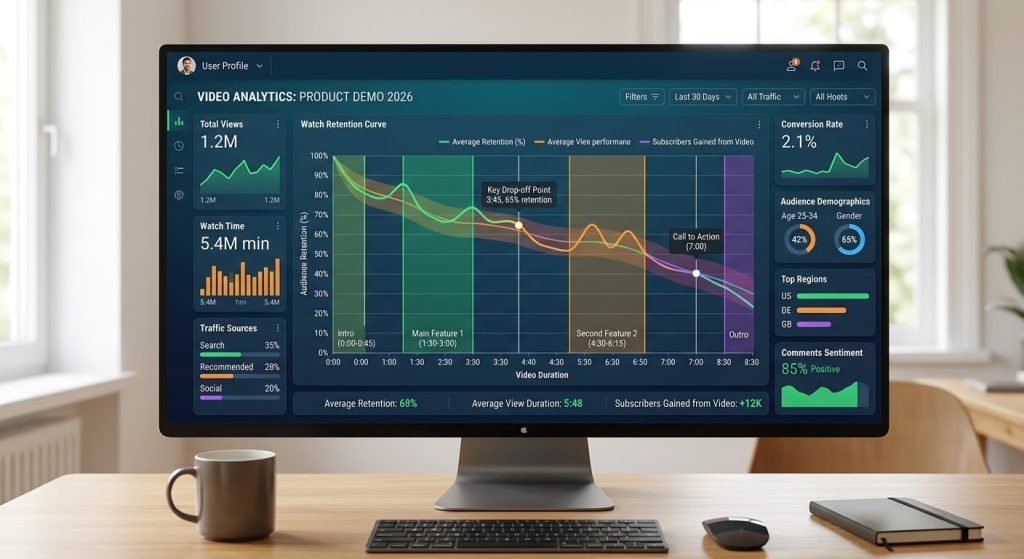
Video Hosting & Analytics: Understand Watch Behavior
Host videos on platforms that give you watch percentage and click data. Know when viewers drop off and rework the intro to hook them within the first 3–7 seconds.
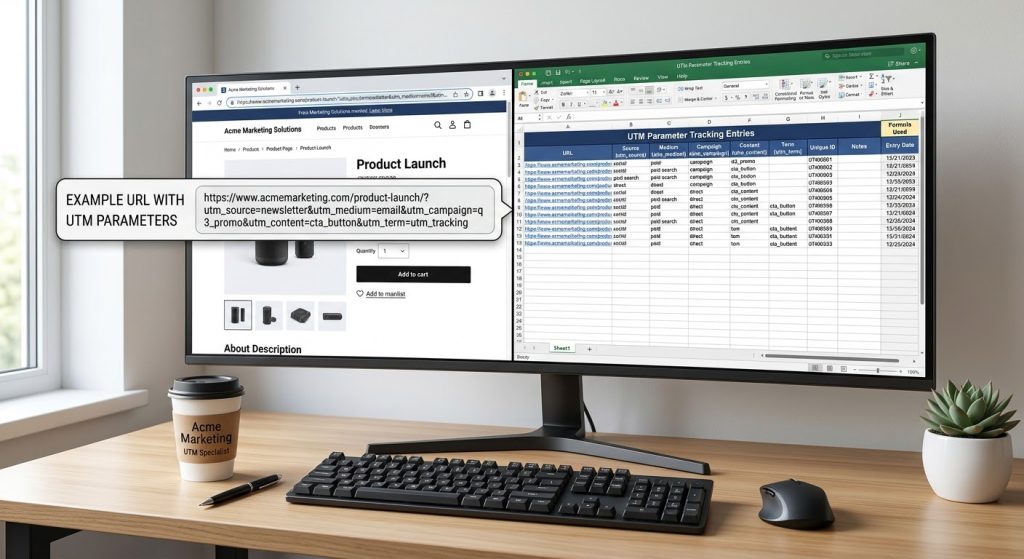
UTM Tracking: Know Where Conversions Came From
UTM tags appended to URLs let you track visits and conversions by campaign, source, and medium. Use consistent UTM structures to compare campaigns accurately.
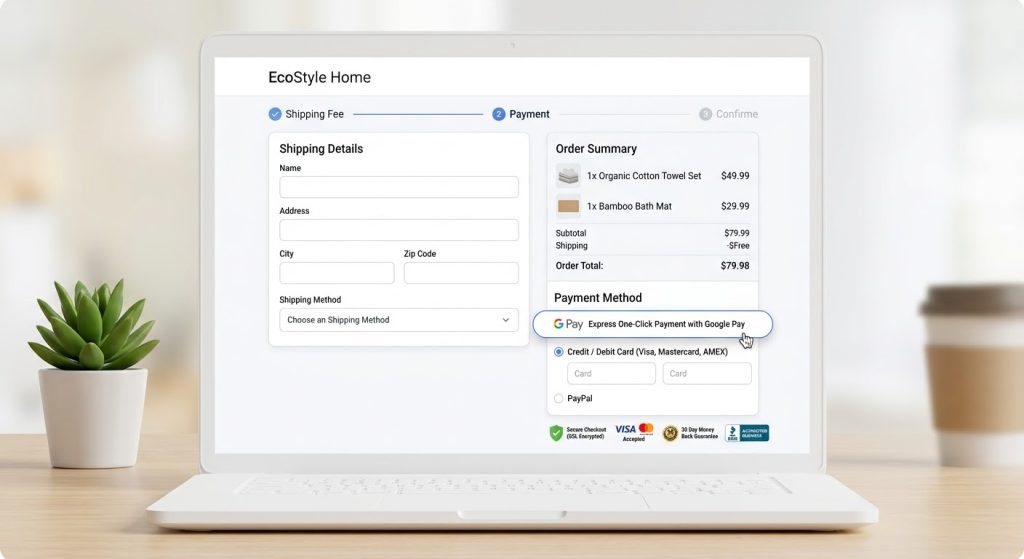
Payment & Checkout Tools: Make Buying Frictionless
Offer multiple payment options, reduce form fields, and show trust badges on checkout pages. A fast, simple checkout reduces abandoned carts and increases final conversion.
Affiliate & Referral Tools: Turn Customers Into Promoters
Affiliate systems automate tracking and payouts so partners can promote your offer and you pay only for results. Referral tools incentivize customers to bring in friends, often at lower CAC.

Scheduling & Social Posting Tools: Publish Consistently
Scheduling tools queue posts across networks, freeing time and ensuring you maintain a continuous presence. Consistent posting compounds into audience growth.
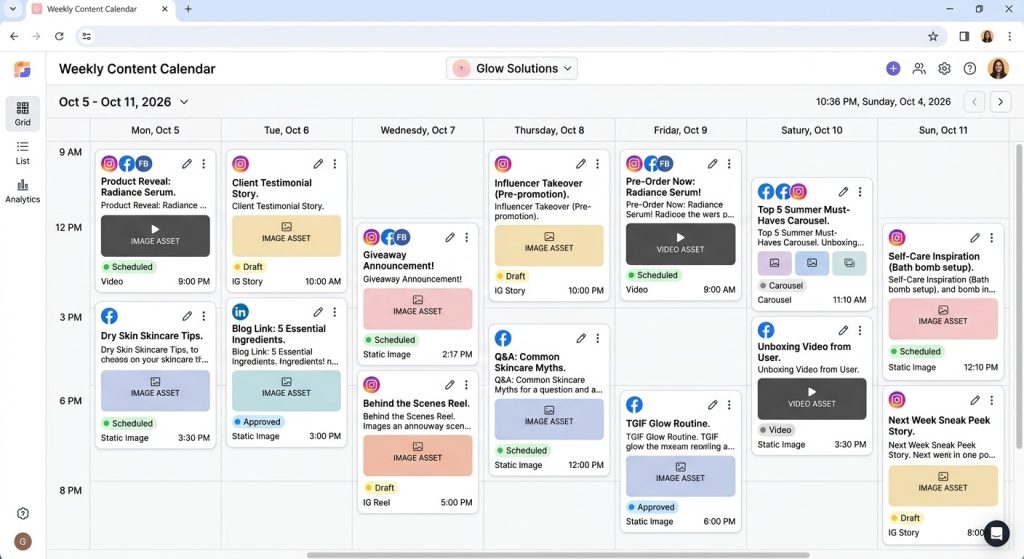
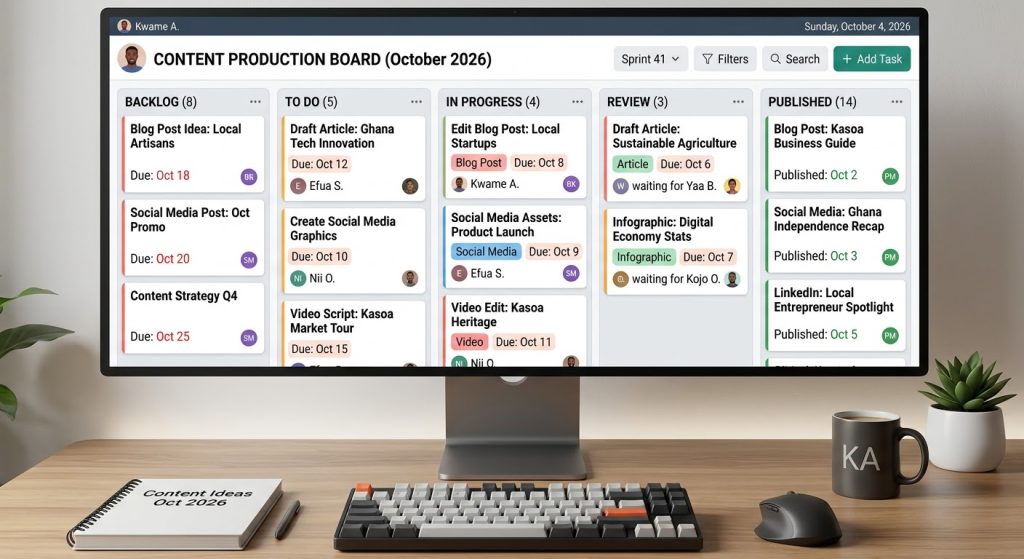
Collaboration & Project Management Tools: Keep Teams Aligned
Project boards and shared calendars keep content production on schedule and reduce missed deadlines. Treat content like a product with delivery milestones.
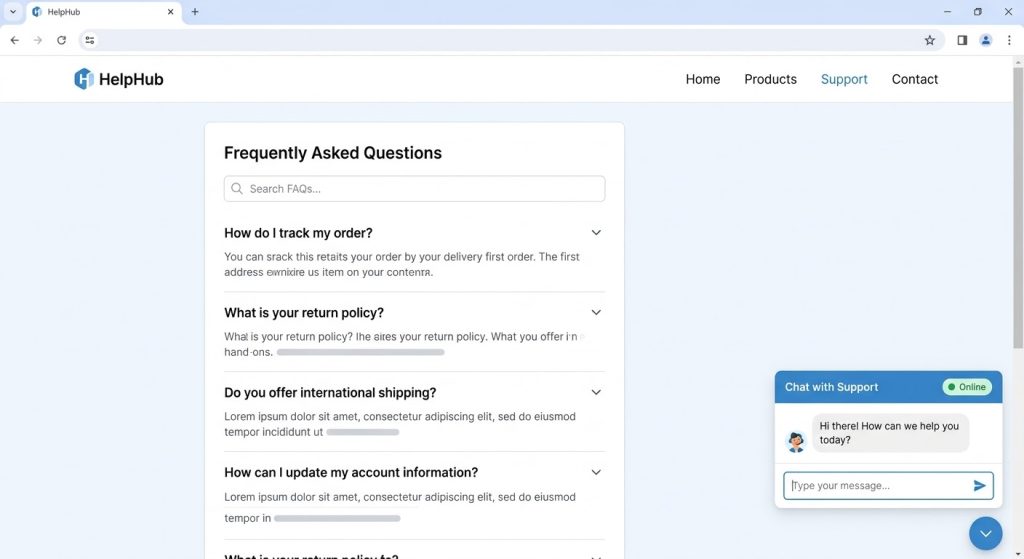
Customer Support Tools: Reduce Post-Purchase Churn
Live chat and simple help centers solve small problems fast and keep customers happy. A quick answer often prevents refunds and boosts reviews.
Security & Privacy Tools: Build Trust and Compliance
SSL, cookie consent, and privacy policy tools protect users and avoid penalties. Security signals also build credibility, especially when asking for payment or personal data.

Performance Monitoring: Speed & Uptime Tools
Monitor page speed, downtime, and server response. Slow pages lose users and ad revenue — monitoring tools alert you before problems grow.

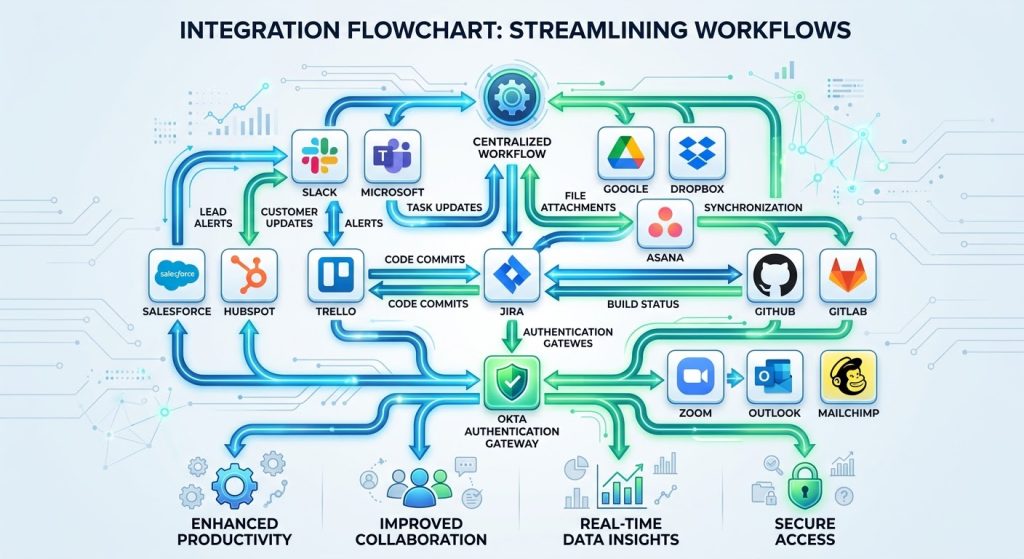
Integrations: Make Tools Talk to Each Other
Use connectors (Zapier/Make) to pass data between apps — e.g., form → CRM → email sequence → Slack alert — so nothing slips through the cracks.
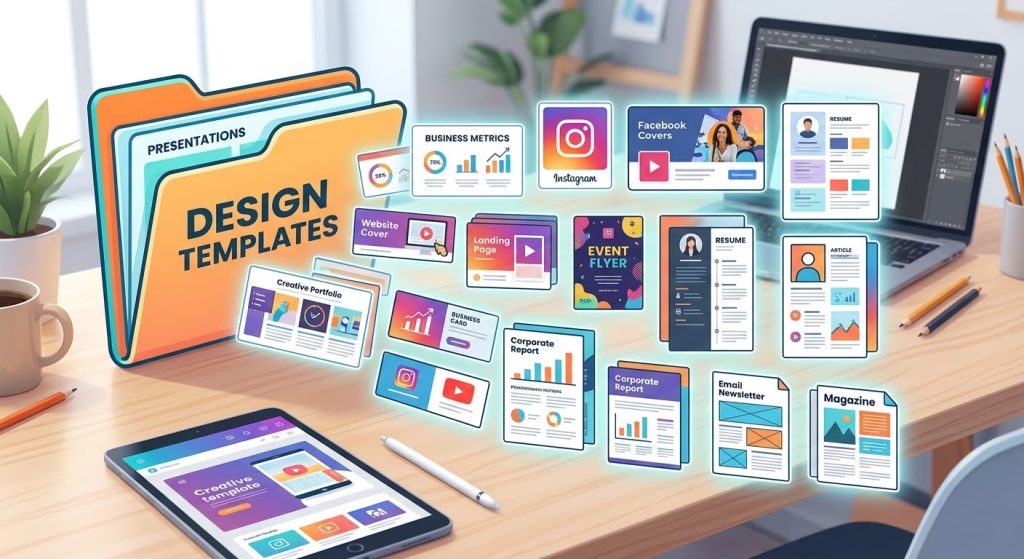
Templates & Swipe Files: Work Less, Publish More
Keep templates for ads, emails, and landing pages. Swipe files of proven headlines help you produce high-performing copy quickly.
Reporting Dashboards: Share Results Clearly
Build simplified dashboards for stakeholders showing only what matters: cost, revenue, ROI. Simplicity helps decisions happen faster.
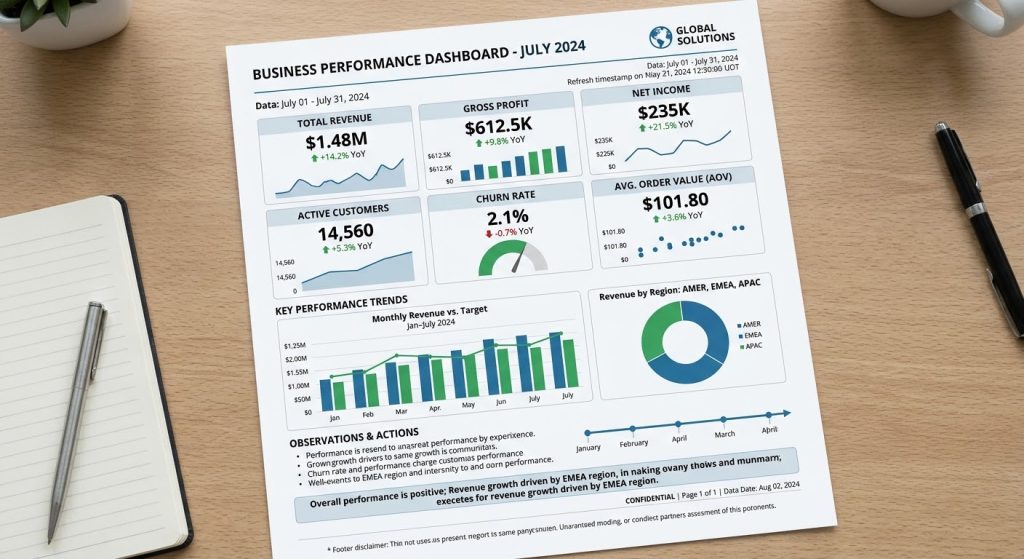
Scaling Tools: When to Introduce Automation
Introduce bid automation, lookalike scaling, and pipeline workflows once you have predictable ROI. These tools scale winners without micromanagement.
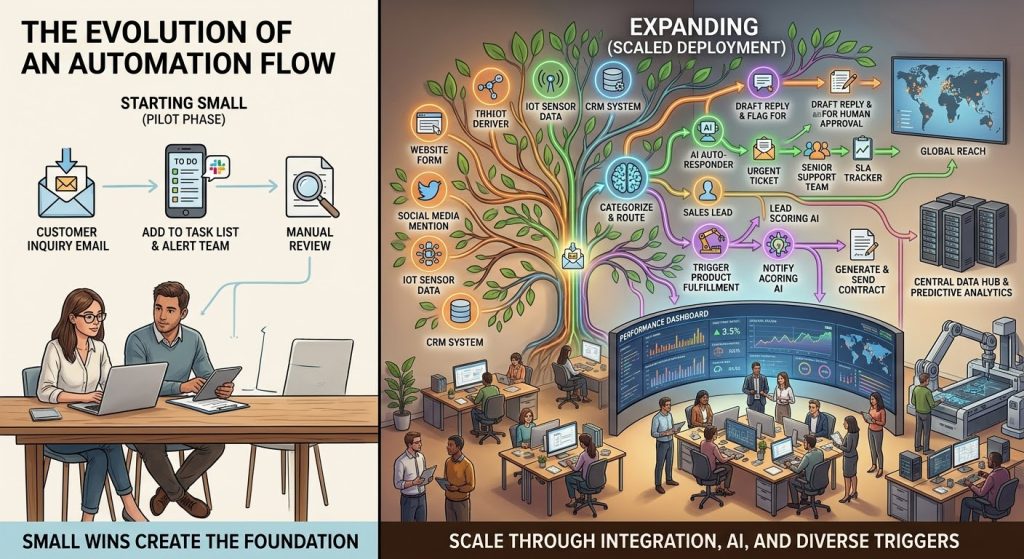
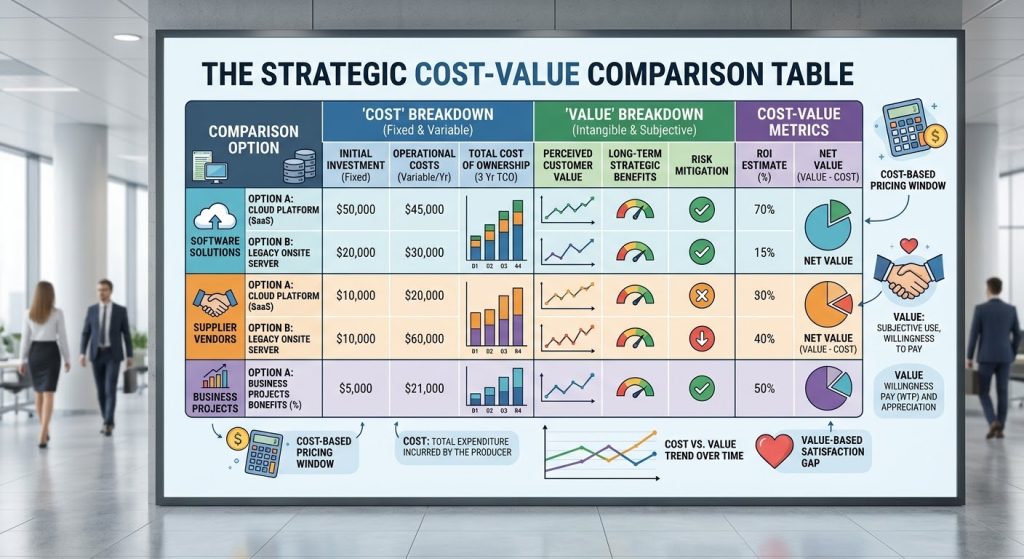
Tool Costs vs Value: Decide What to Pay For
Measure tool costs against time saved and revenue generated. A $50/month tool that saves 10 hours is often worth it — calculate ROI before adding more subscriptions.
Training & Tutorials: Master Your Tools Quickly
Use short tutorials, official docs, and community forums to learn tools fast. Hands-on exercises stick better than passive reading.

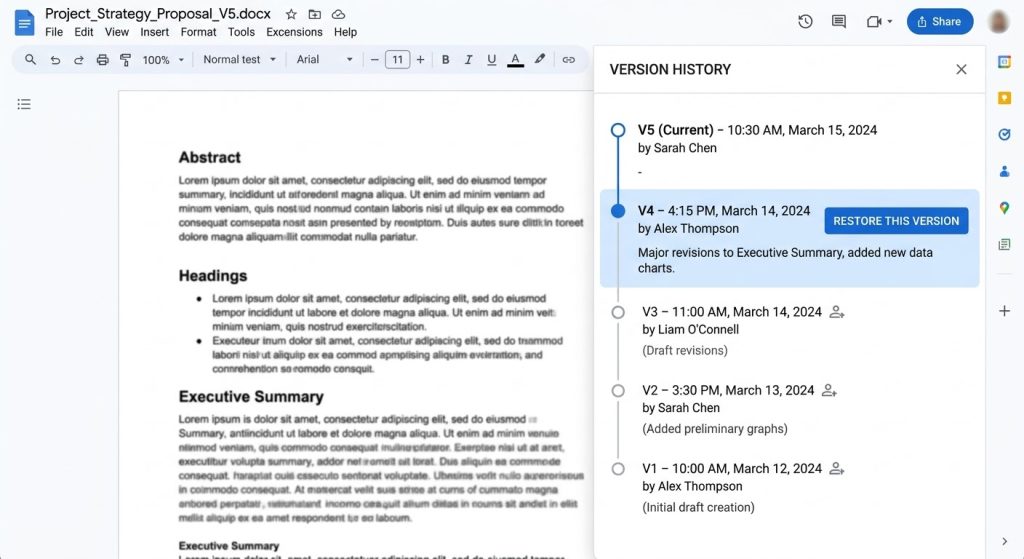
Version Control for Content: Keep Backups of Changes
Save versions of landing pages and ad copy so you can roll back to a previous winning variant if something breaks during tests.
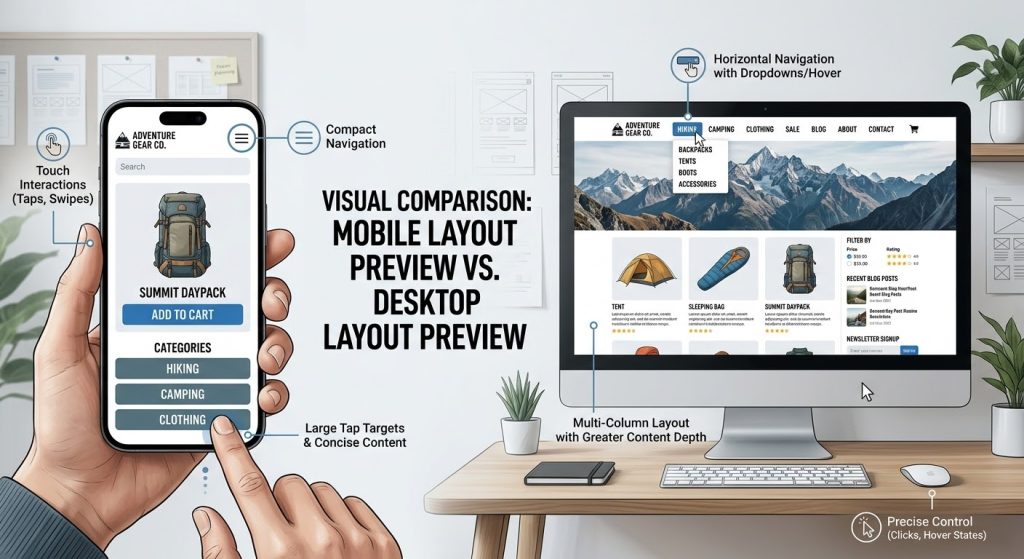
Choosing Tools for Mobile-First Audiences
Select tools and templates that prioritize mobile UX — most users will come from mobile in many Tier-3 geos. Mobile-first design reduces friction and improves conversions.
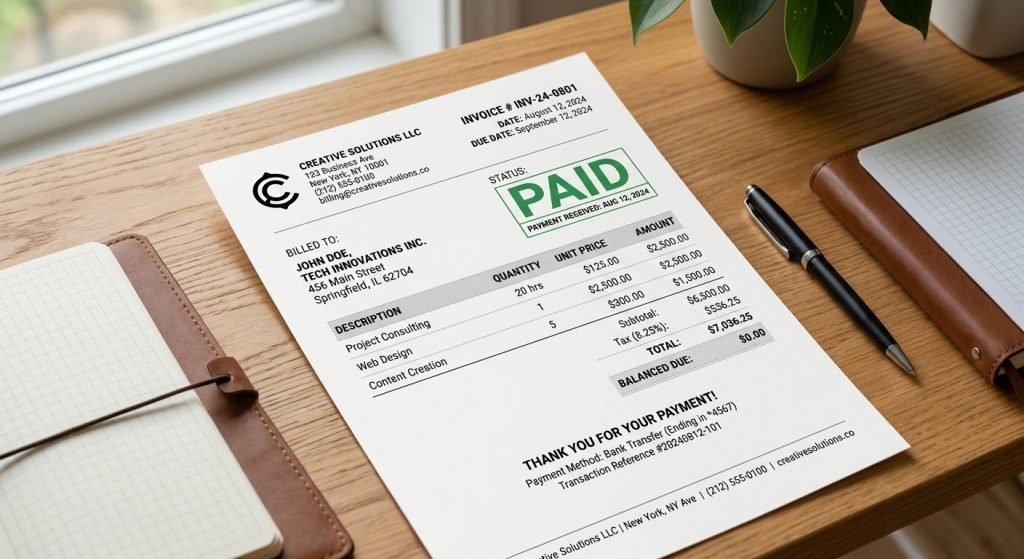
Compliance Tools: Taxes, Invoices, and Receipts
For paid products, use tools that issue invoices and receipts automatically — they simplify accounting and look professional to customers.
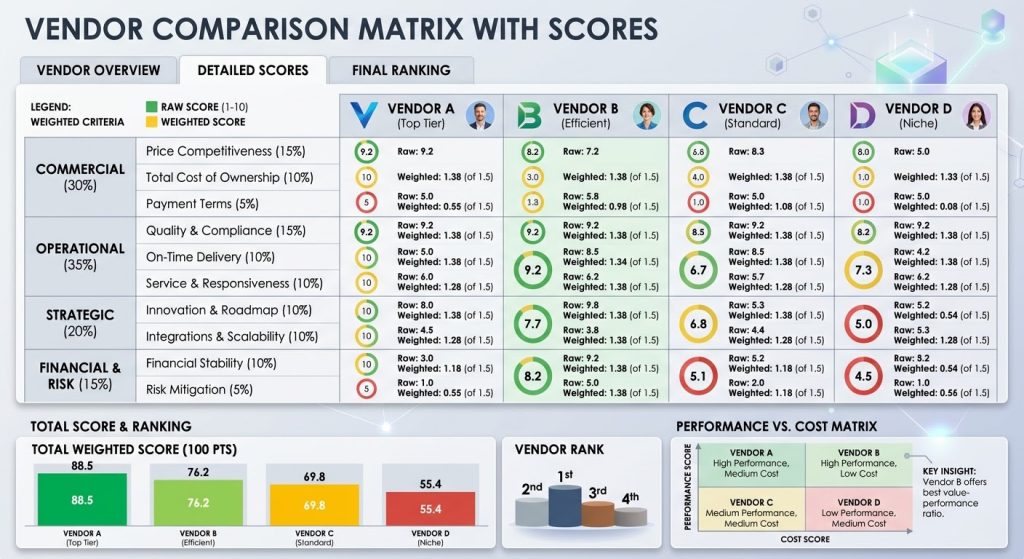
Vendor Selection: How to Pick a Reliable Tool Provider
Check reviews, uptime history, support responsiveness, and trial periods. Choose vendors with transparent pricing and good documentation.
You now know which tools matter and why. On the next page you’ll see real templates and step-by-step tool workflows you can copy to launch your first funnel in under 60 minutes — click Continue to get the templates.