The Psychology Behind a Click
People click based on emotions first and logic second. Digital marketing works best when it triggers curiosity or desire before explaining anything.
How Attention Truly Works Online
Visitors decide in under 5 seconds if they want to stay. Grabbing attention fast is the strongest skill a marketer can develop.

Emotional Triggers in Marketing
Fear of missing out, excitement, confidence, and curiosity are emotional drivers that push users to take action instantly.
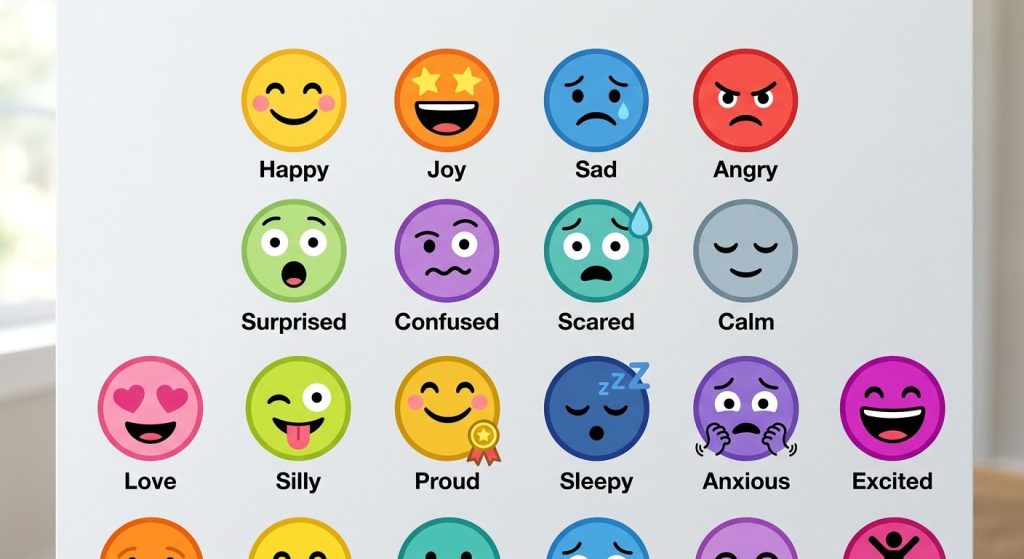
The Power of First Impressions
A clean layout, bold headline, and strong visual create trust instantly. First impressions decide conversion or bounce.
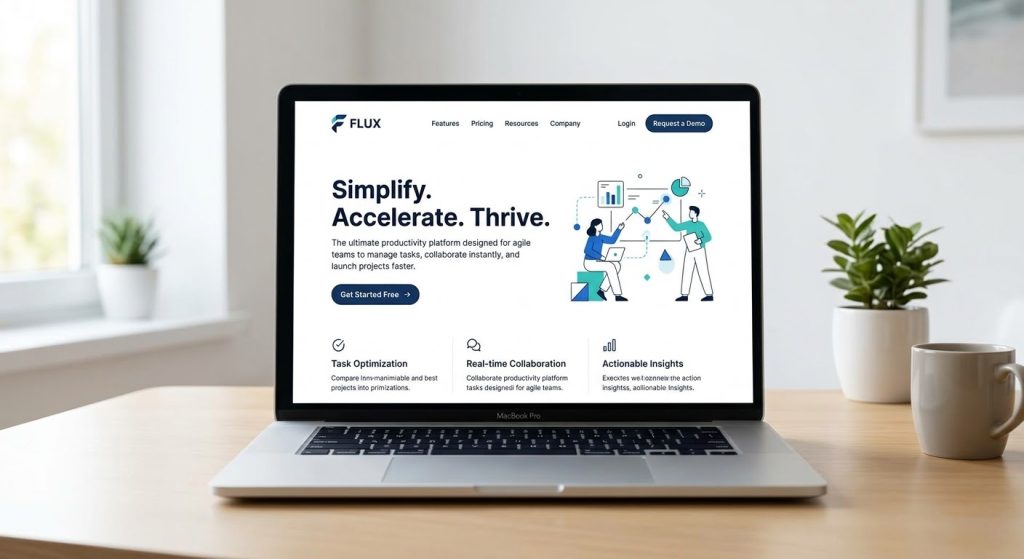
Visual Storytelling for Engagement
Images help users understand the message faster than text. A powerful image increases engagement by up to 80%.
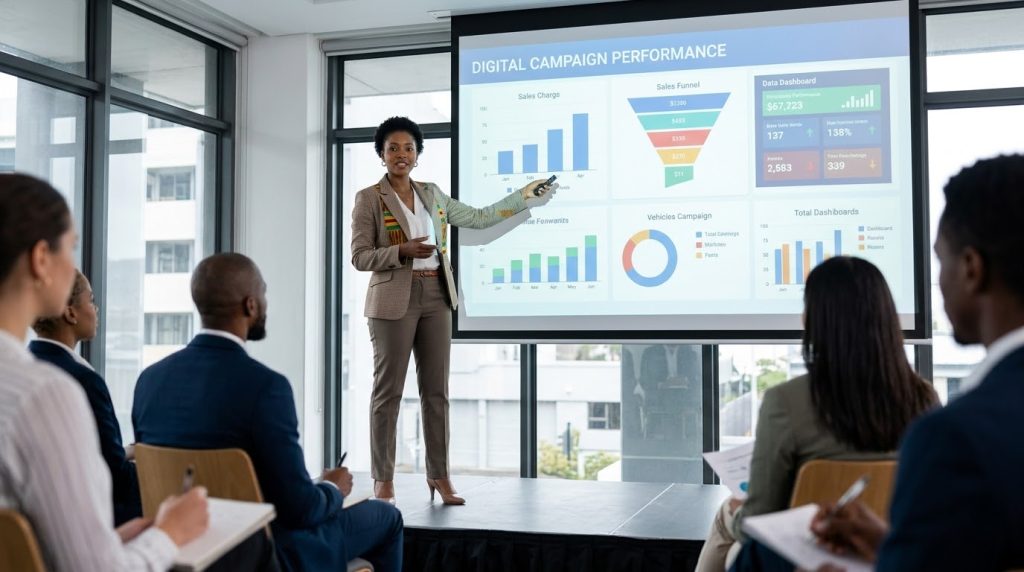
Why Certain Ads Convert Better
Ads that show a clear problem and solution attract immediate clicks. The mind responds faster when a problem feels personal.
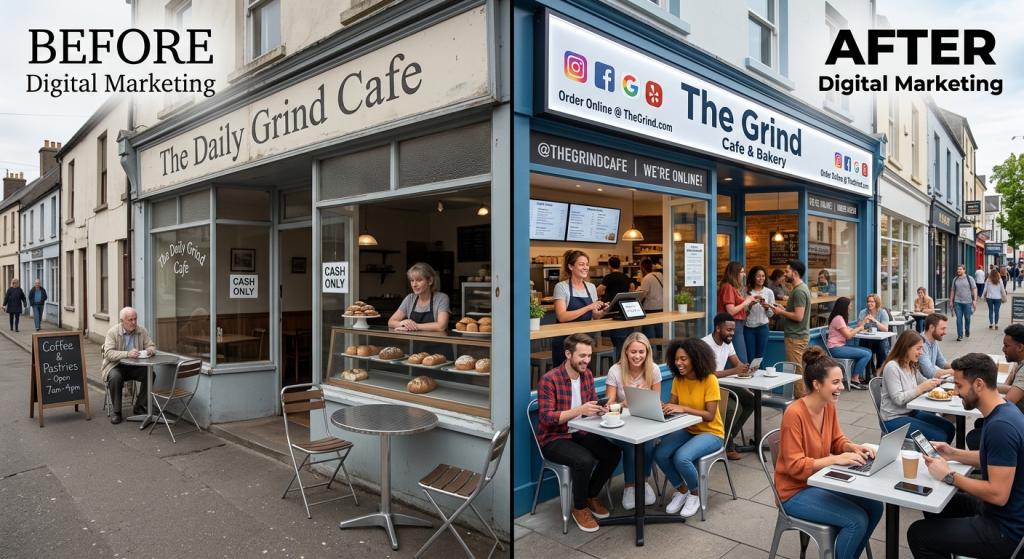
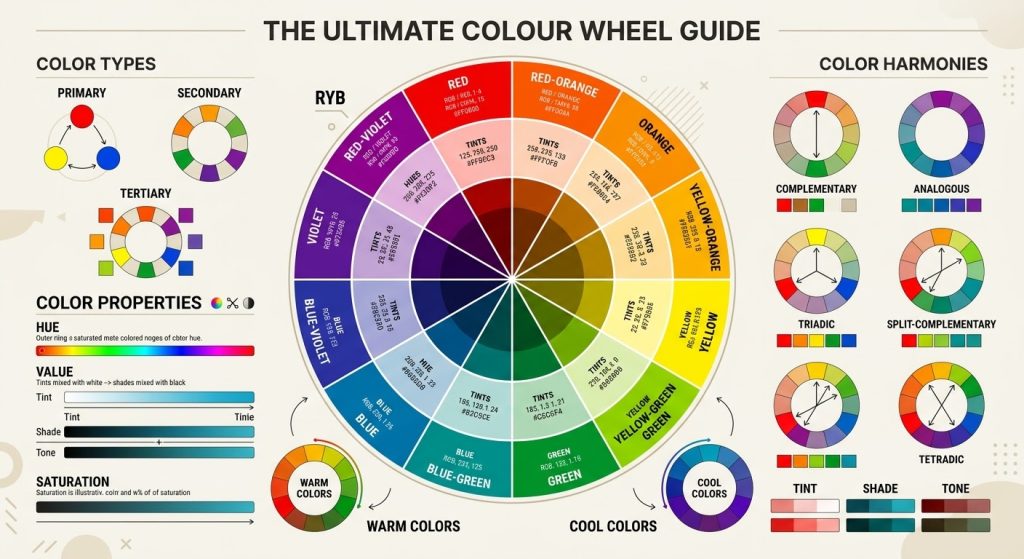
Color Psychology in Marketing
Different colors spark different emotional reactions. Red creates urgency, blue builds trust, and orange creates excitement.
Writing Better Call-To-Actions
(CTAs)“Download Free Guide” performs better than “Submit.” Clarity and benefit are the keys to irresistible CTAs.
Micro-Commitments Increase Conversions
Small actions like scrolling or clicking “continue” warm up users for the bigger actions like signup or purchase.

Why People Buy Instantly Without Thinking
Impulse decisions happen when the brain’s reward system activates. Marketers shape this activation through good presentation.
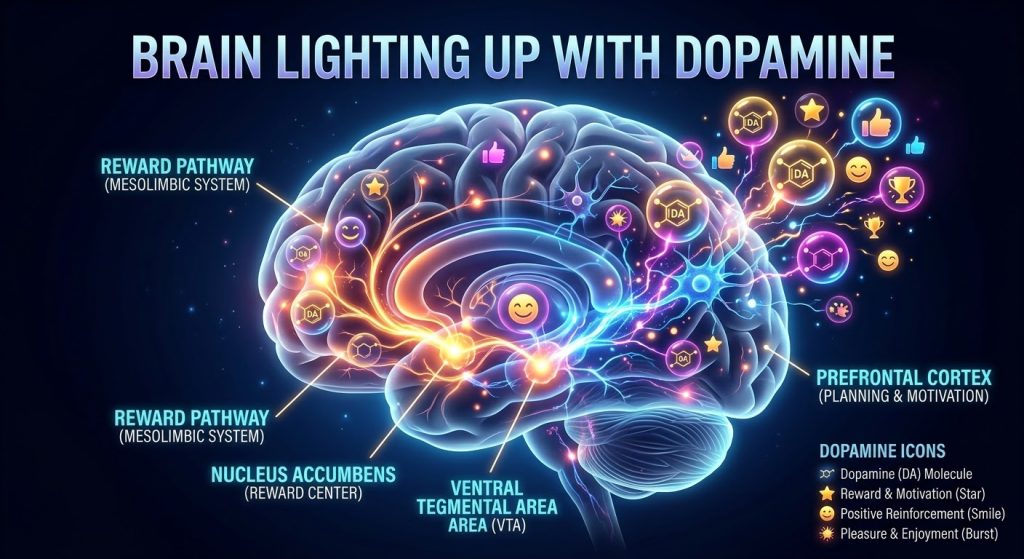
A brain lighting up with dopamine icons
Pricing Tricks That Work Every Time
Psychological pricing like “₦4,999” looks more attractive than “₦5,000,” creating a sense of savings.

Scarcity Creates Urgency
Limited spots or countdown timers motivate users to act faster. Scarcity boosts value instantly.

Building Trust in Seconds
Badges, testimonials, and clean layout quickly make users feel safe and willing to engage.
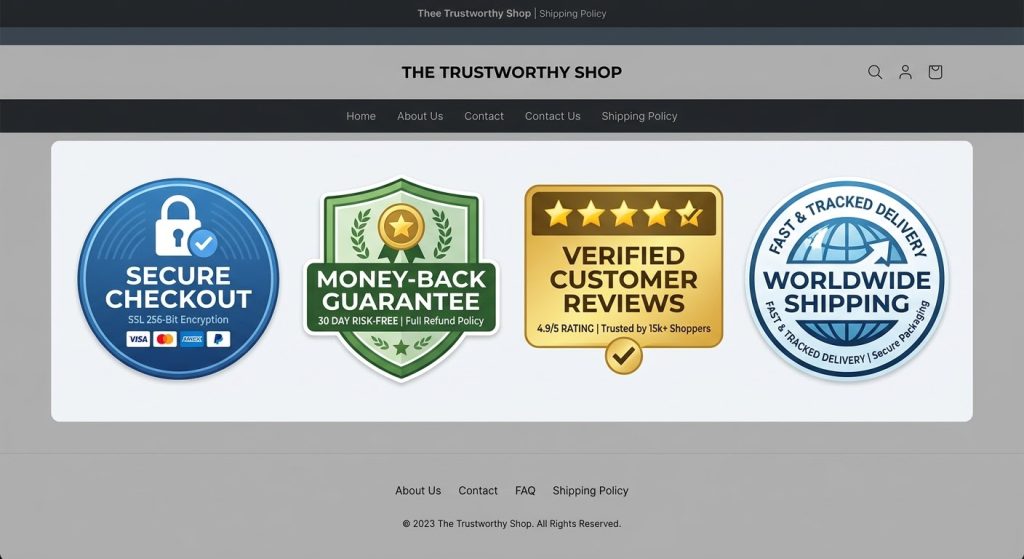
Social Proof Drives Action
People trust what others have done. High user counts, reviews, and testimonials increase conversions.

The Psychology of Free Offers
“Free” triggers excitement and removes fear. Offering value upfront increases long-term engagement.

Using Urgency Without Pressure
Gentle urgency keeps users active without feeling stressed. Soft reminders work better than aggressive ones.

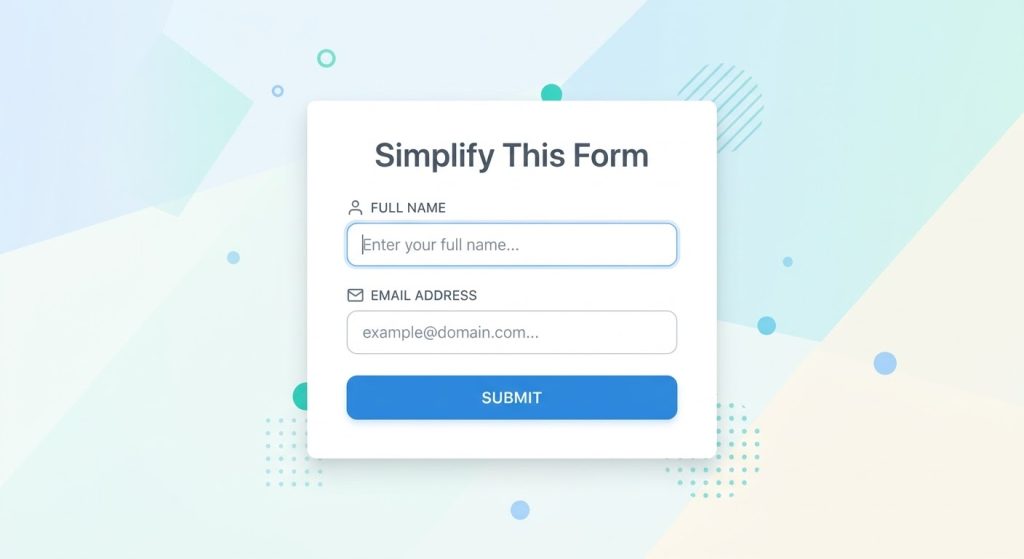
Removing Barriers to Action
Forms, buttons, and navigation must be simple. The easier the experience, the higher the conversion.
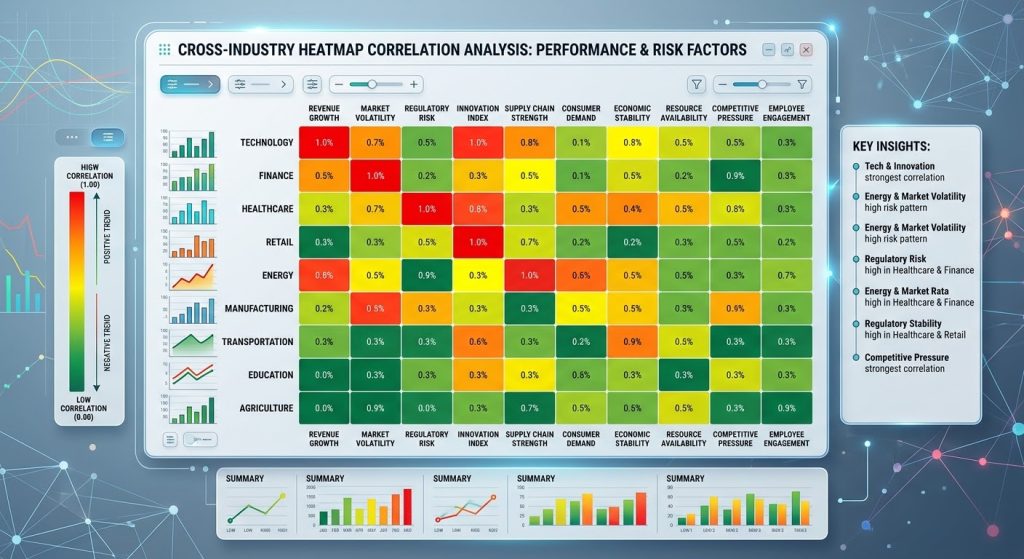
Predicting User Behavior with Data
Analytics show where users stop, scroll, or click. Tracking improves future performance.
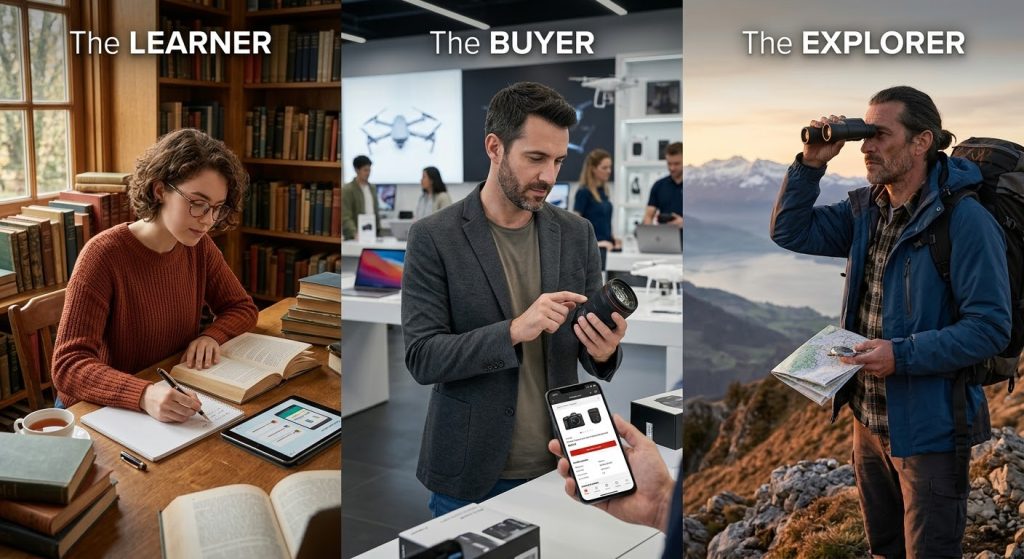
Understanding User Intent
Different visitors come for different reasons. Some want free knowledge, some want solutions, and some just explore.
Simplicity Always Wins
A simple structure reduces confusion. Users stay longer and trust the experience.
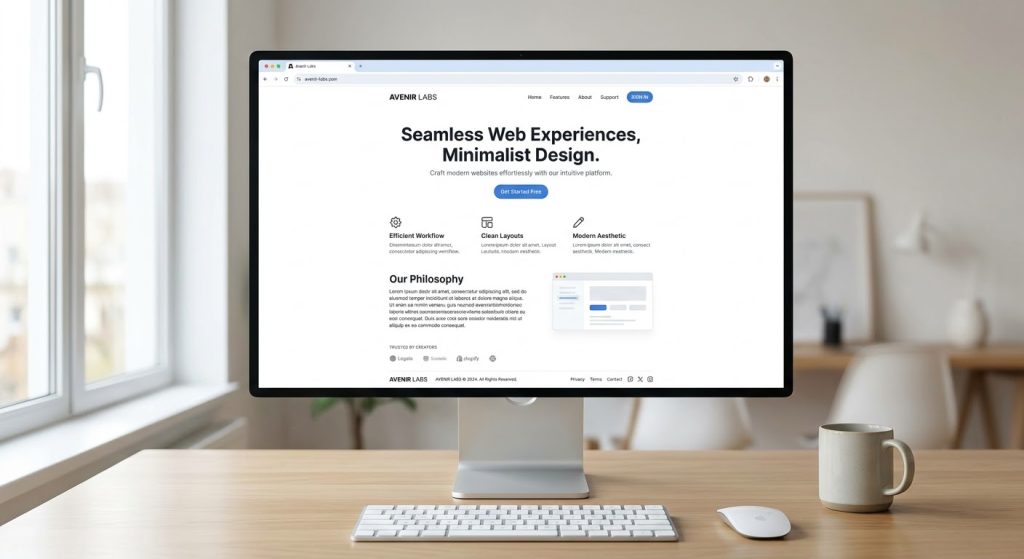
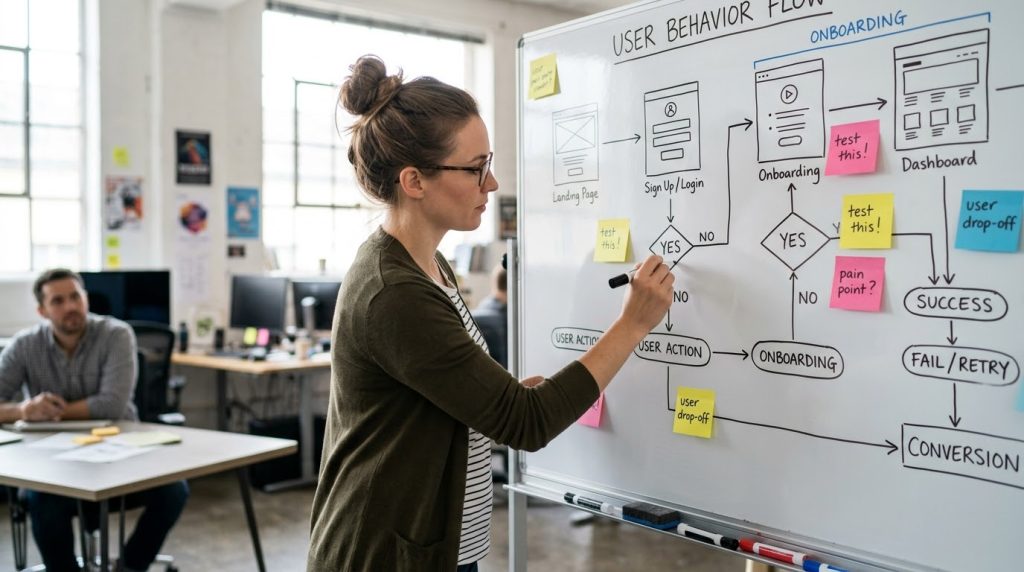
Smooth User Flow Boosts Results
A page must guide users naturally from top to bottom, building interest at every step.
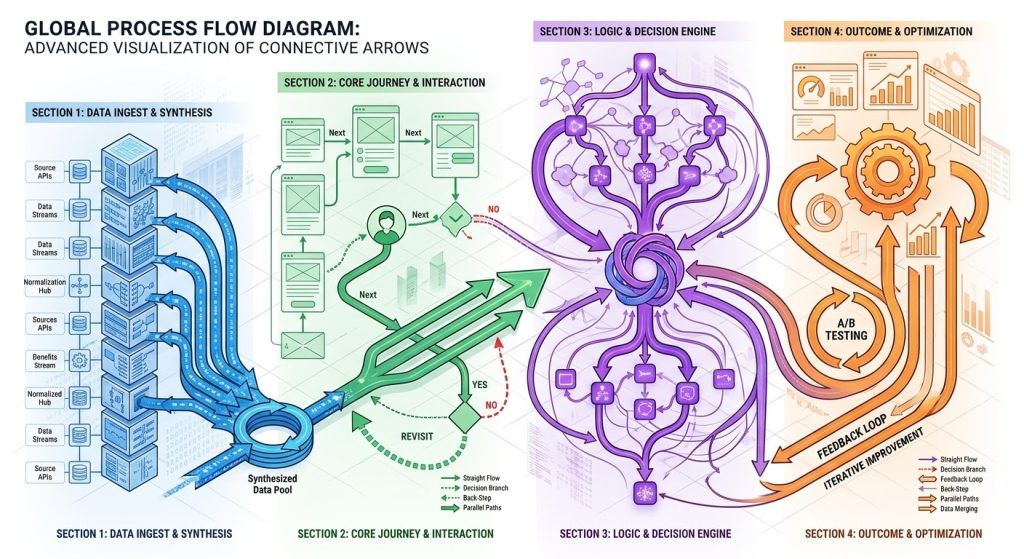
Decision Fatigue Is Real
Too many choices overwhelm users. Fewer options increase conversions.

Habit-Driven Marketing
Users return when they develop a habit of receiving value from you consistently.

Retargeting Reinforces Memory
Users rarely act on the first visit. Retargeting reminds them exactly when they’re ready.
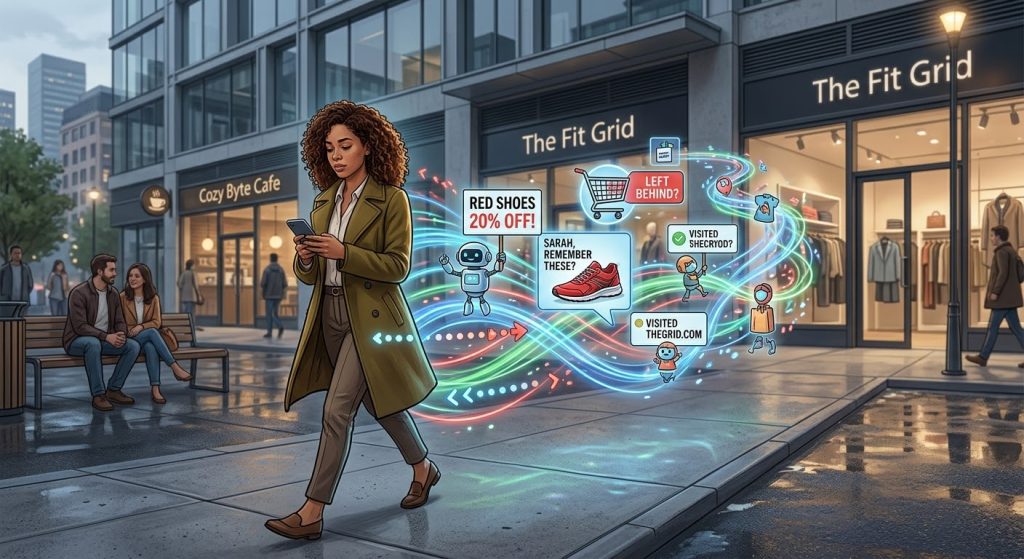
Multi-Touch Conversions
Most conversions happen after multiple interactions—not the first one.
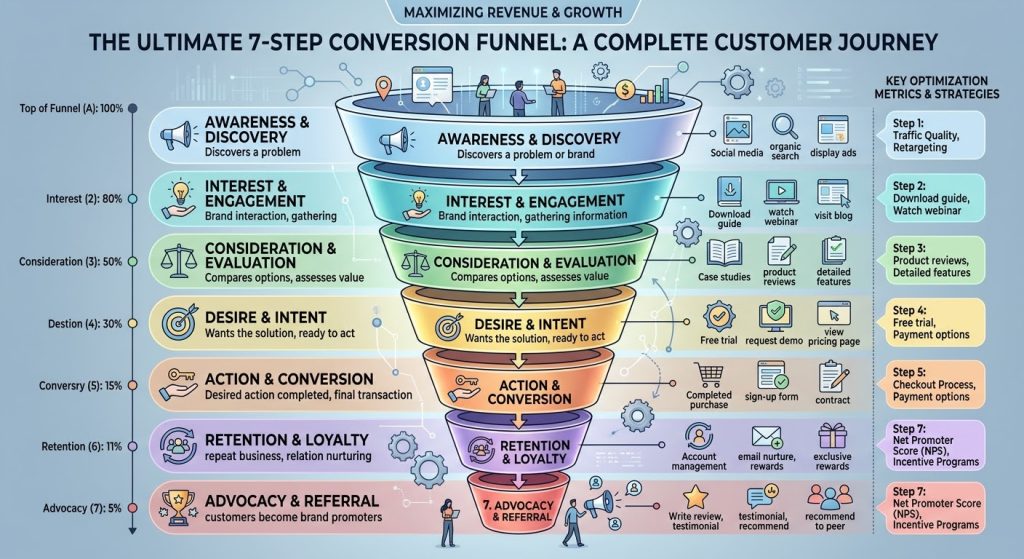
Authority Builds Confidence
Expertise and professionalism create instant respect, leading to higher conversions.
Familiarity Strengthens Trust
Users trust brands they see often. Repetition builds safety.
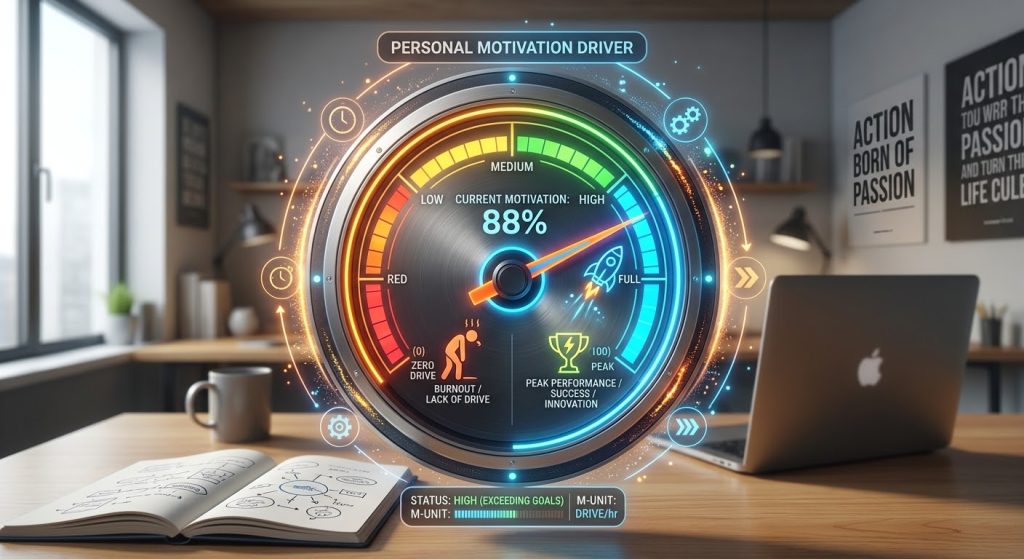
User Motivation Patterns
Motivation changes based on time, emotion, and need. Good marketing matches the user’s mental state.
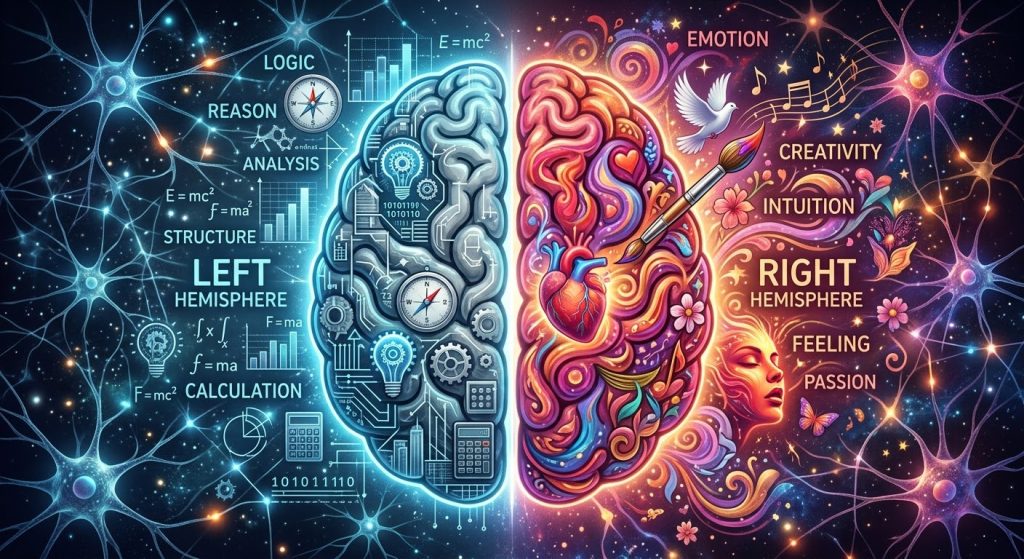
Emotional vs Logical Decisions
Emotions make decisions; logic justifies them later. Marketing speaks to both.
User Experience (UX) Drives Conversions
Smooth navigation, fast loading, and clean structure keep users loyal.
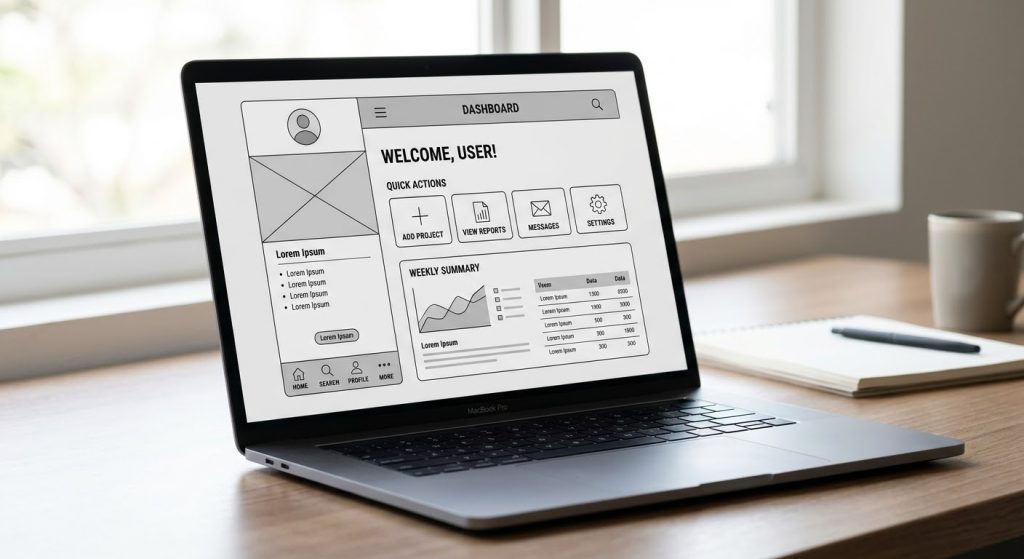
Strategic Use of Contrast
High contrast draws the eye to important elements like CTAs.

Credibility Indicators
Certifications, badges, and partnerships increase trust and reduce hesitation.

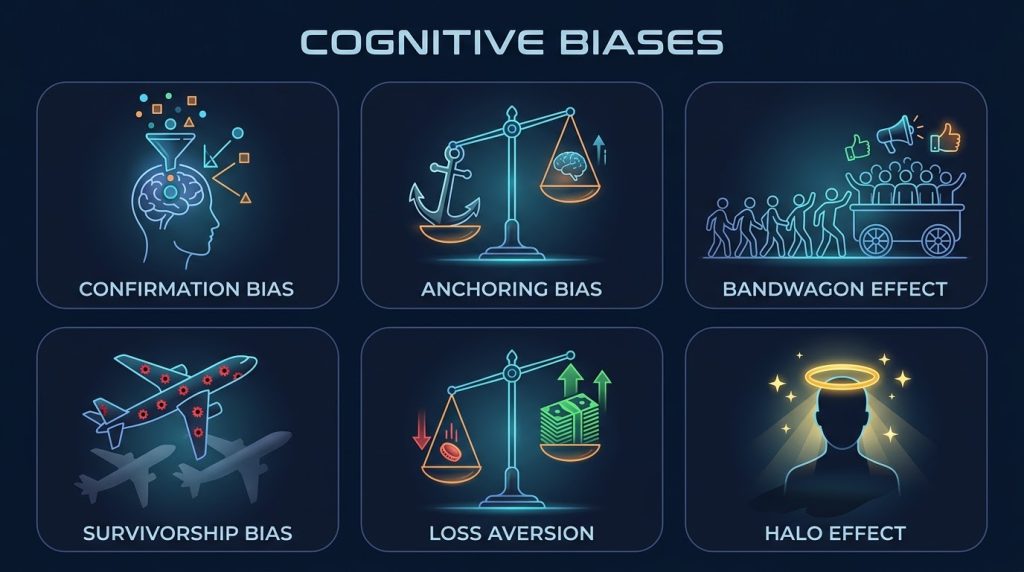
Cognitive Biases That Influence Behavior
Anchoring, scarcity, and social proof shape user choices subconsciously.Image Placeholder: Icons of different cognitive biases
Designing with Human Behavior in Mind
Marketing works best when aligned with natural human habits, not forced paths.
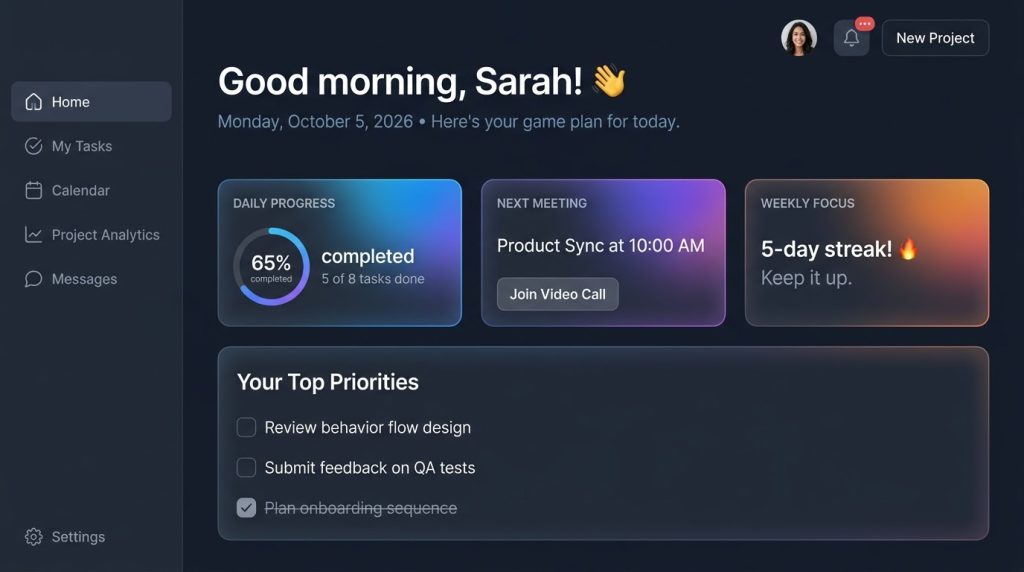
Personalized Marketing Converts More
Tailoring content to the user’s interest boosts engagement dramatically.
Multi-Device User Behavior
Users jump from phone to desktop. Marketing must remain consistent across all screens.

Curiosity as a Tool for Engagement
Curiosity pushes users to discover the next step, making them more likely to continue.
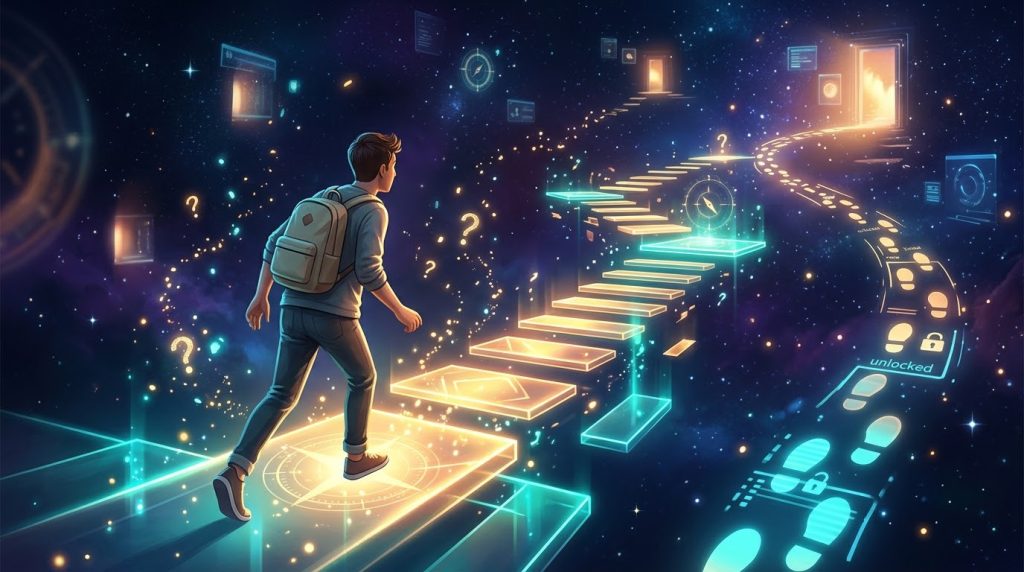
Touchpoints That Create Loyalty
When users feel understood and valued, they return. Loyalty is built through consistency.
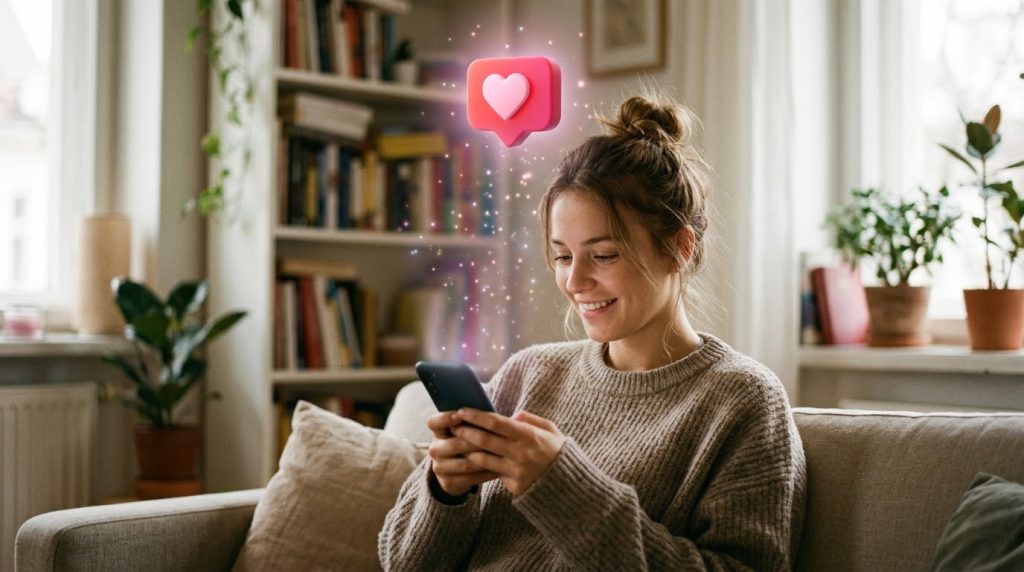
Preparing Users for the Final Action
Before the final click, users must feel confident, informed, and ready.
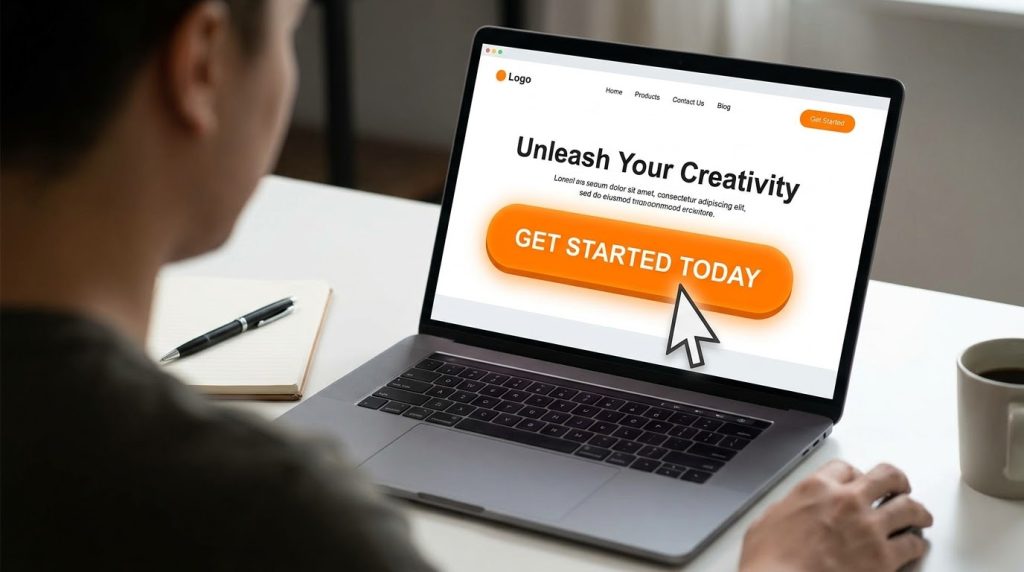
You’ve now uncovered the psychology behind profitable digital marketing.
Click Continue to go deeper—and move closer to unlocking your free professional digital marketing course.”