The 7 Core Channels
On this page we map the 7 channels that every practical digital marketer uses: SEO, Content, Social, Paid Ads, Email, Analytics, and Affiliate/Partnerships. Learn how each channel plays a role in a real funnel.
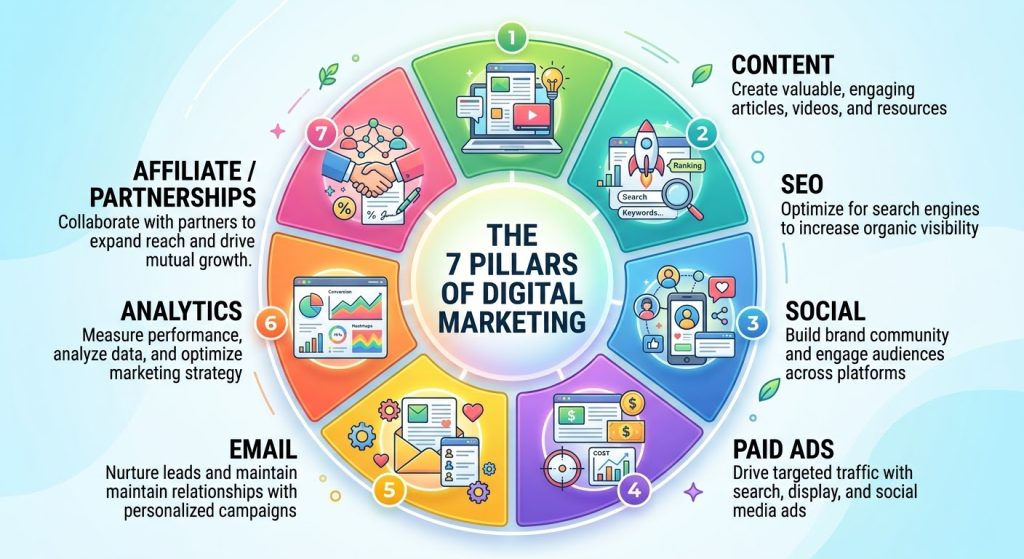
Why Channels, Not Tricks
Tricks get short-term attention. Channels build sustainable audiences and revenue. We’ll focus on channels you can repeat and scale.
Channel 1: SEO (Overview)
SEO helps your content appear in search results. It’s slow but long-lasting — a top source of free, targeted traffic.
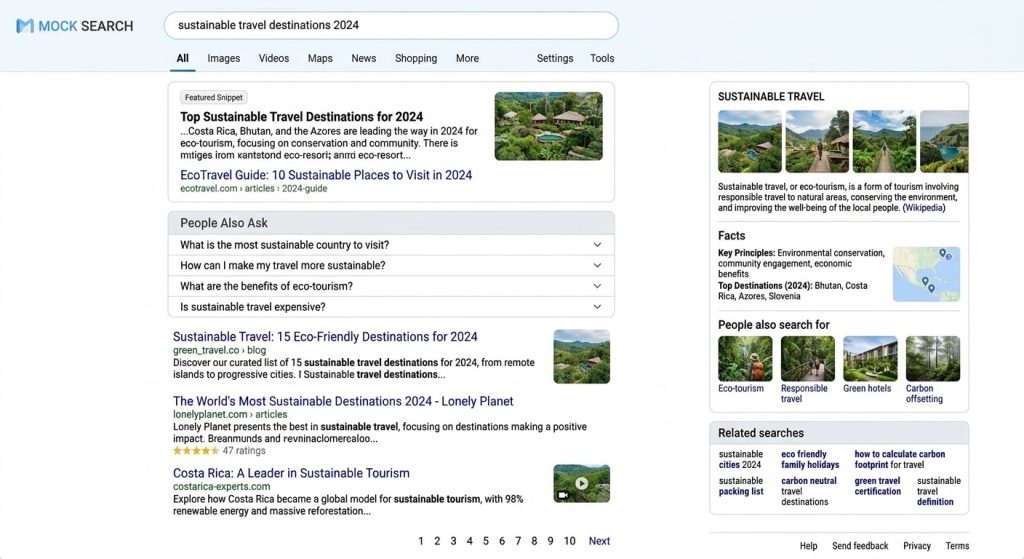
SEO: Keywords and Intent
The secret of SEO is matching user intent — what people are actually searching for. Keywords are just clues to intent.
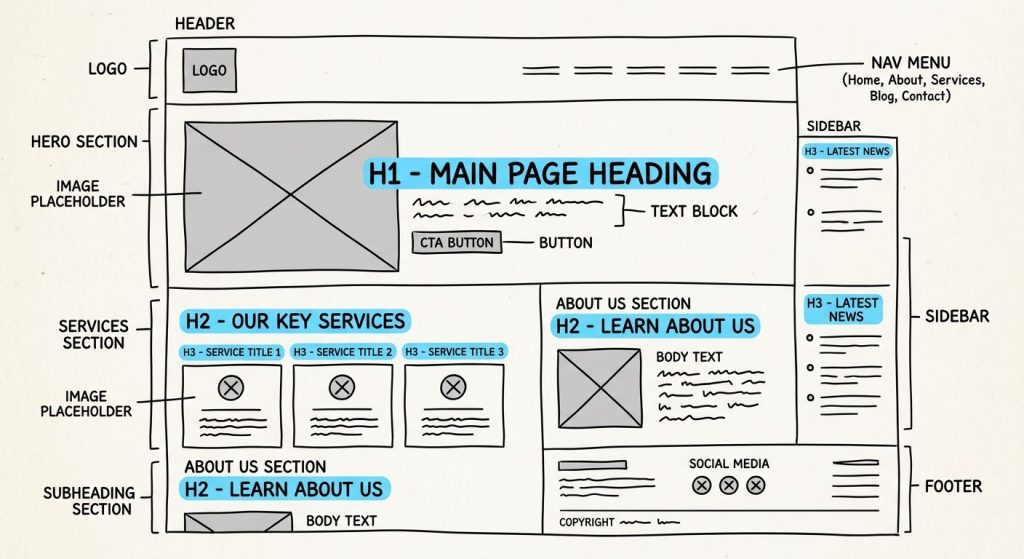
SEO: On-Page Basics
Title tags, headers, meta descriptions, and content structure. These are small things that add up to higher rankings.
SEO: Off-Page & Backlinks
Links from other sites act like votes. But quality beats quantity — one strong link will beat dozens of weak ones.
Channel 2: Content Marketing (Overview)
Content — blog posts, videos, guides — attracts and retains visitors. Great content forms the bedrock of many channels (SEO, social, email).

Content: Types That Work
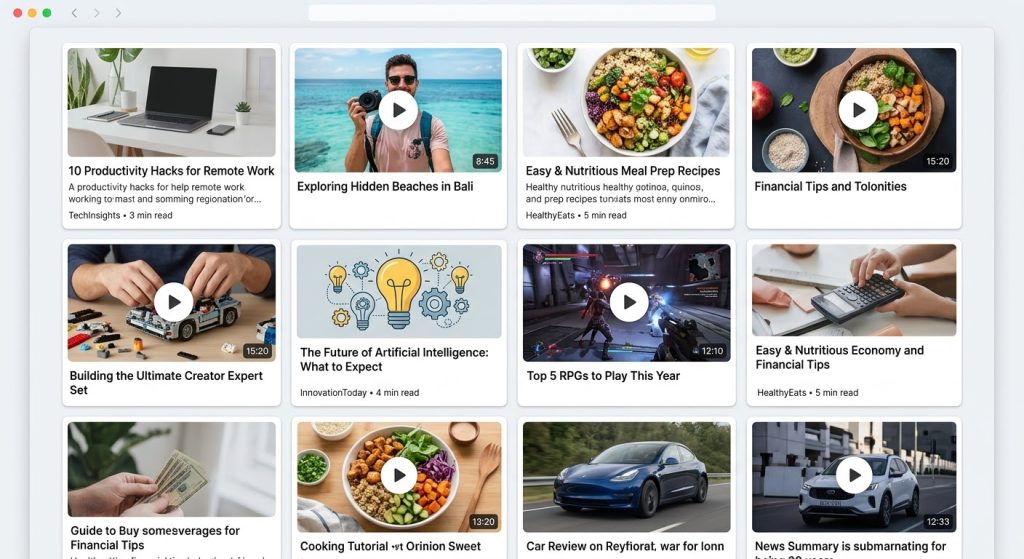
Long-form guides, how-to videos, list articles, and case studies. Use formats that match audience habit (read vs watch).
Content: The Pillar + Cluster Model
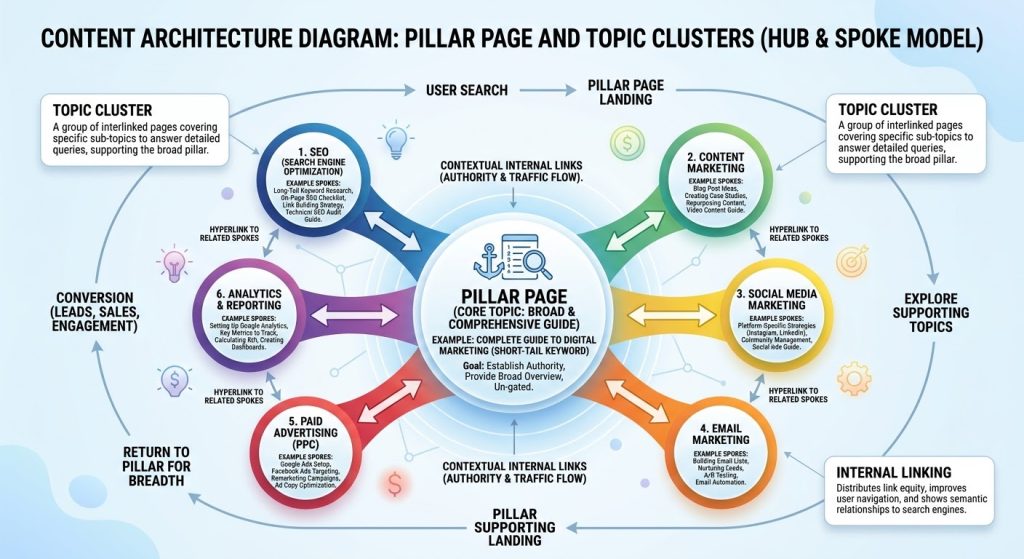
One evergreen pillar page with cluster articles that link back to it is a powerful SEO/content tactic.
Channel 3: Social Media (Overview)
Social platforms amplify content and build relationships. They’re excellent for attention and community-building.
Social: Platform Selection
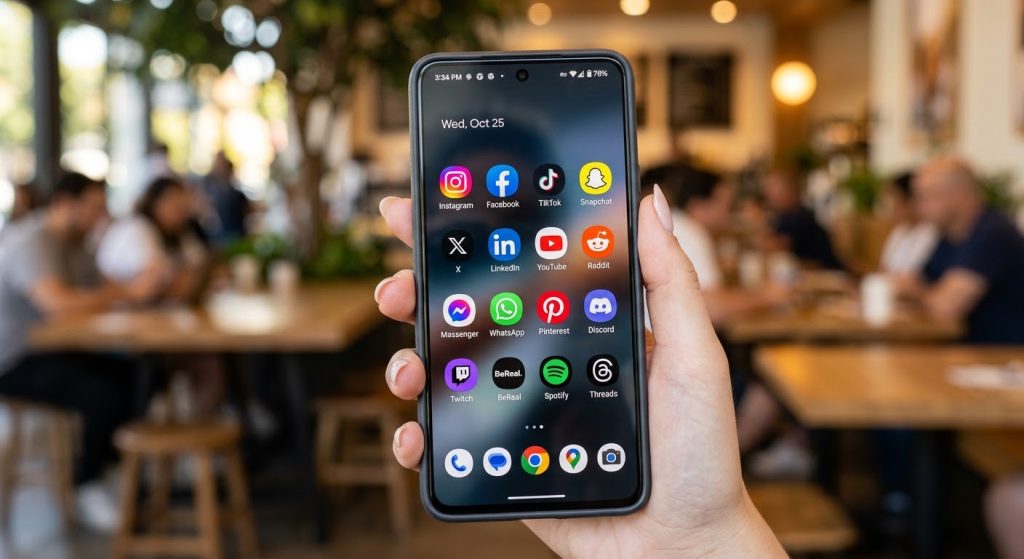
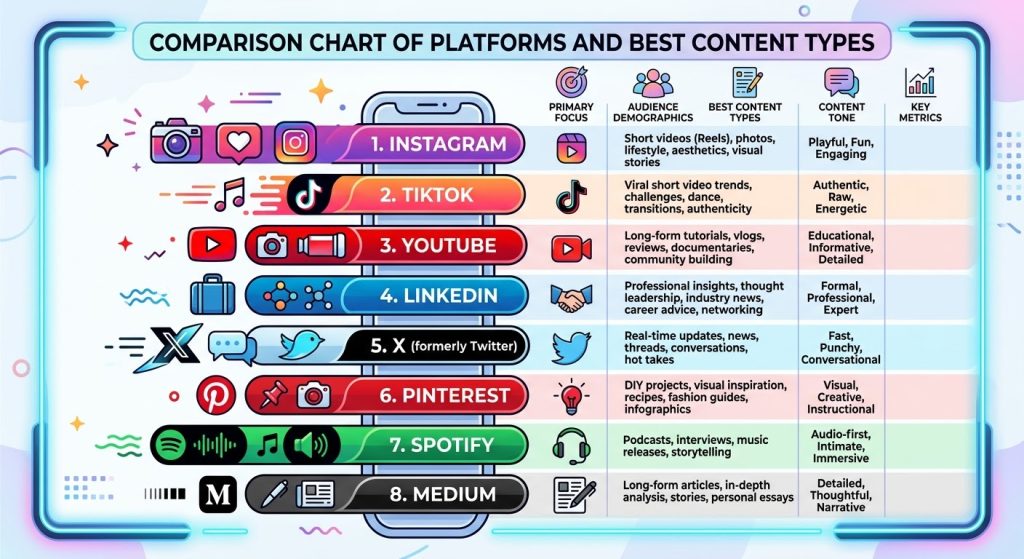
Not every platform fits every niche. Choose where your audience spends time — B2B often LinkedIn, visuals work on Instagram/TikTok.
Social: Organic vs Paid Social
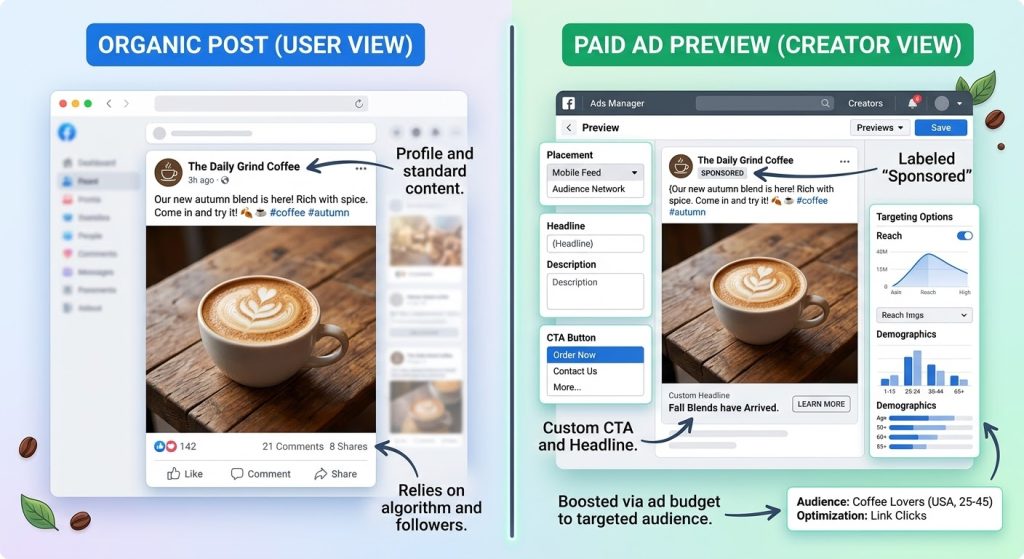
Organic builds trust; paid boosts visibility fast. Combine both: test paid to learn what content resonates, then scale organically.
Channel 4: Paid Advertising (Overview)
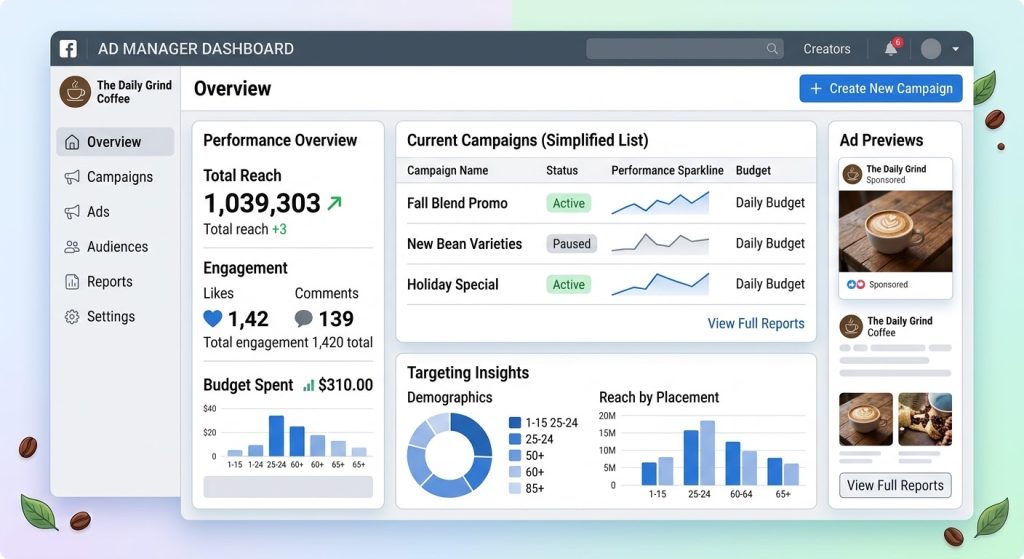
Paid ads put your message in front of targeted audiences instantly — search ads for intent, social ads for interest/awareness.
Paid Ads: Targeting Basics
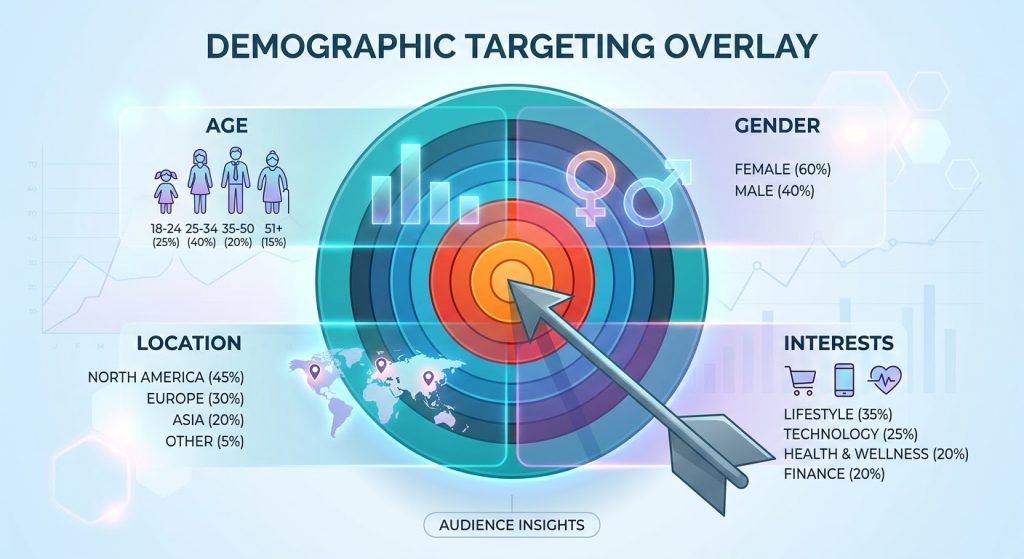
Target by interest, behavior, demographics, or search terms — refine until ROI is positive. Start small and iterate.
Paid Ads: Landing Pages That Convert
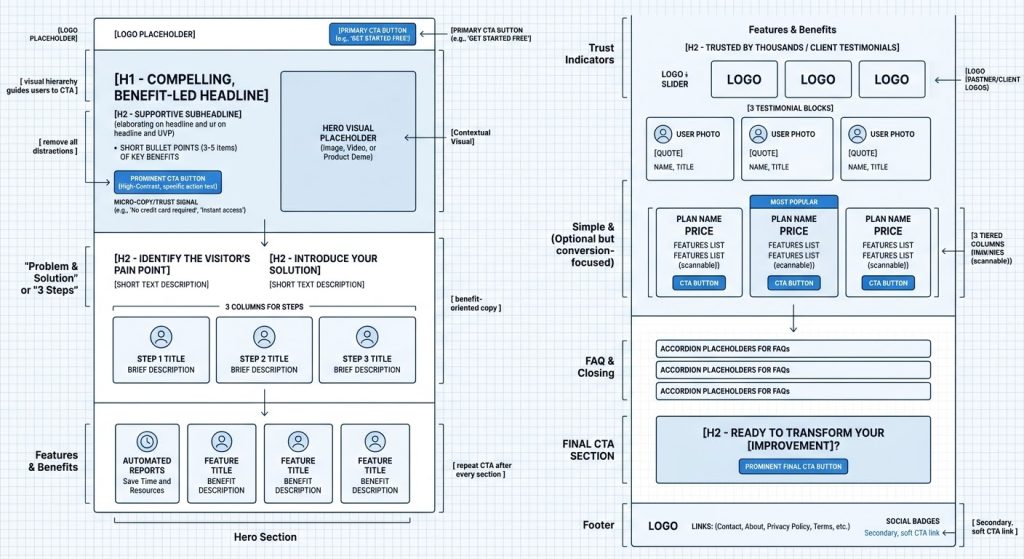
An ad’s job is to bring the right visitor to a page that converts — clear headline, offer, and CTA. Keep it laser-focused.
Channel 5: Email Marketing (Overview)
Email lets you own audience contact. Use it to nurture leads and repeat customers — it’s one of the highest ROI channels.
Email: List Building Tactics
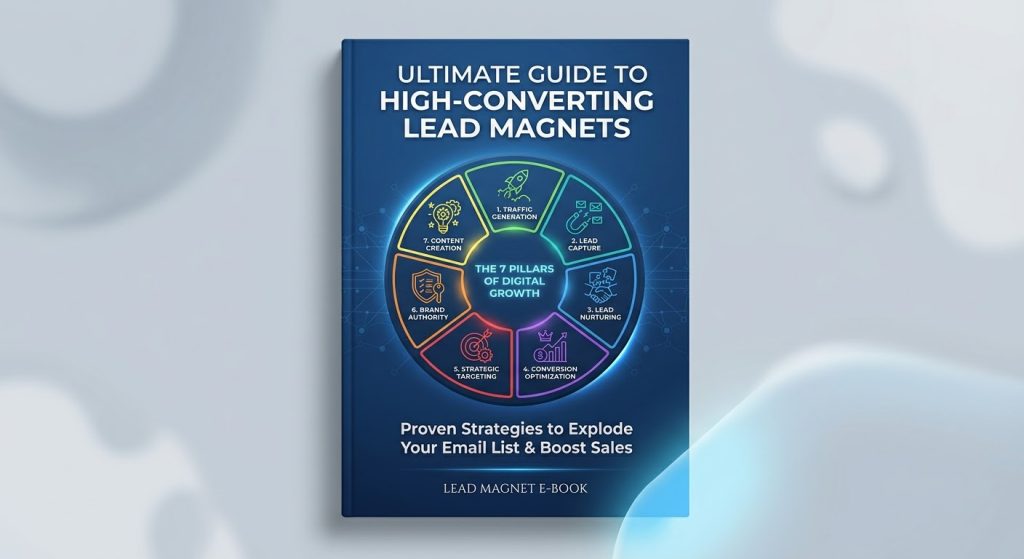
Lead magnets (free guides, checklists, mini-courses) exchange value for an email address. Offer immediate value first.
Email: Automation Basics
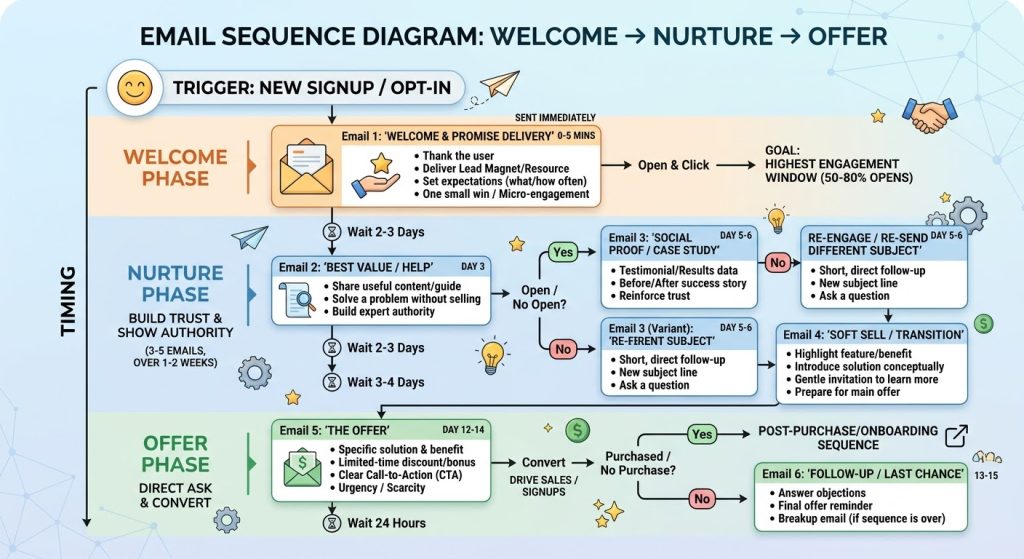
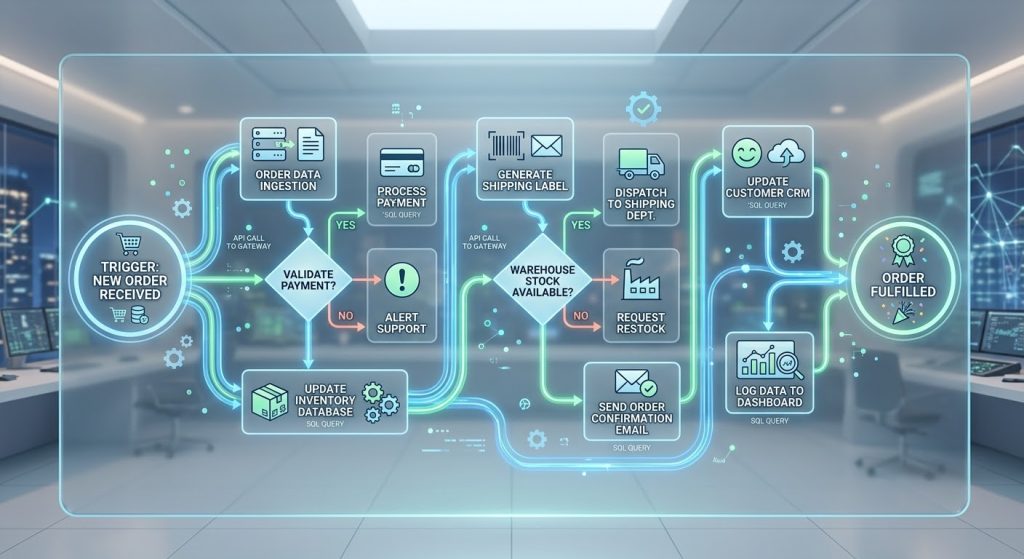
Automations (welcome series, cart abandonment) create reliable revenue without manual work. Think in sequences.
Channel 6: Analytics (Overview)
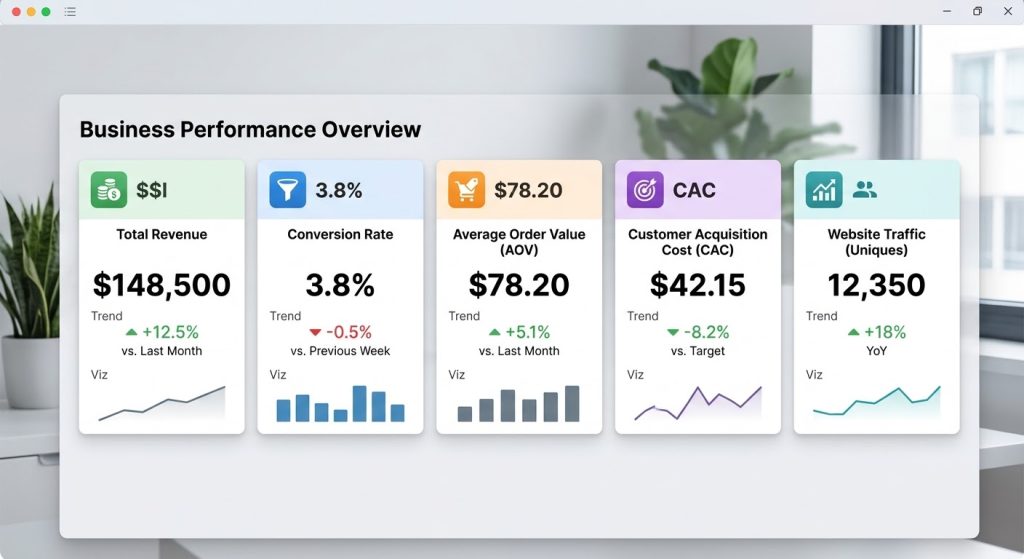
Analytics tell you what’s working. Track traffic sources, conversion rates, and cost per acquisition to make decisions.

Analytics: Key Metrics to Watch
Sessions, bounce rate, time on page, conversion rate, CPC, CPA — know these and you’ll know the health of campaigns.
Channel 7: Affiliate & Partnerships (Overview)
Affiliates and partnerships amplify distribution — you get other people to sell for you and pay only for results.

Partnerships: How to Start Small
Start with micro-influencers and niche blogs — they’re affordable and often more engaged than big names.

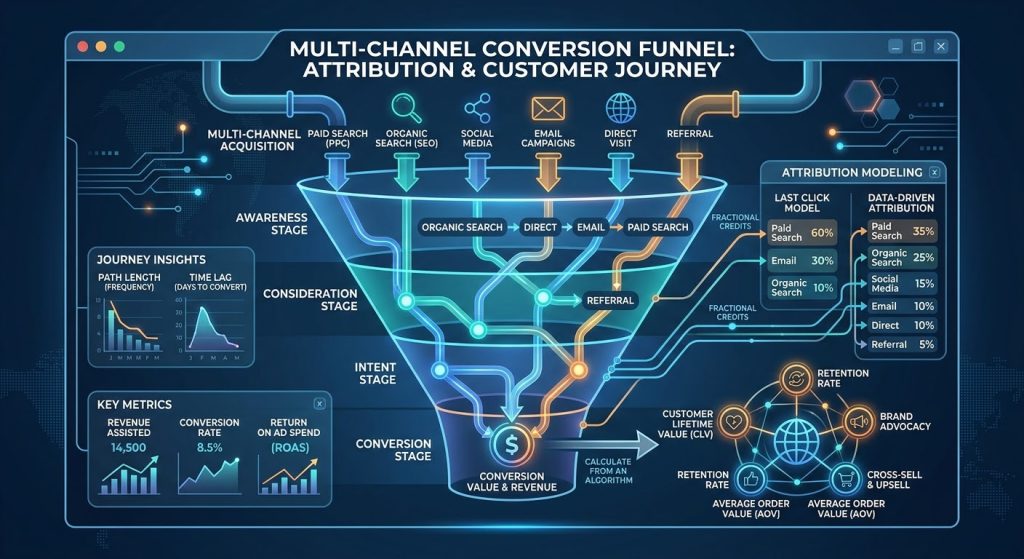
How the Channels Work Together (Simple Diagram)
Example flow: SEO + Content → traffic → email capture → nurture → paid retargeting → conversion. Channels support each other.
Prioritization: Where to Begin
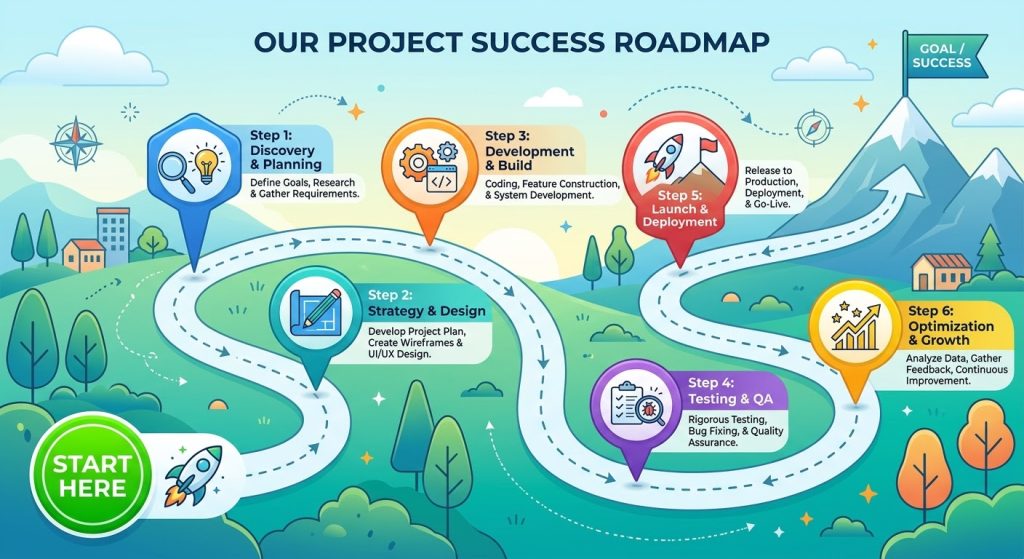
If you’re starting, pick one paid channel to drive traffic + one content channel to convert and retain. Scale from there.
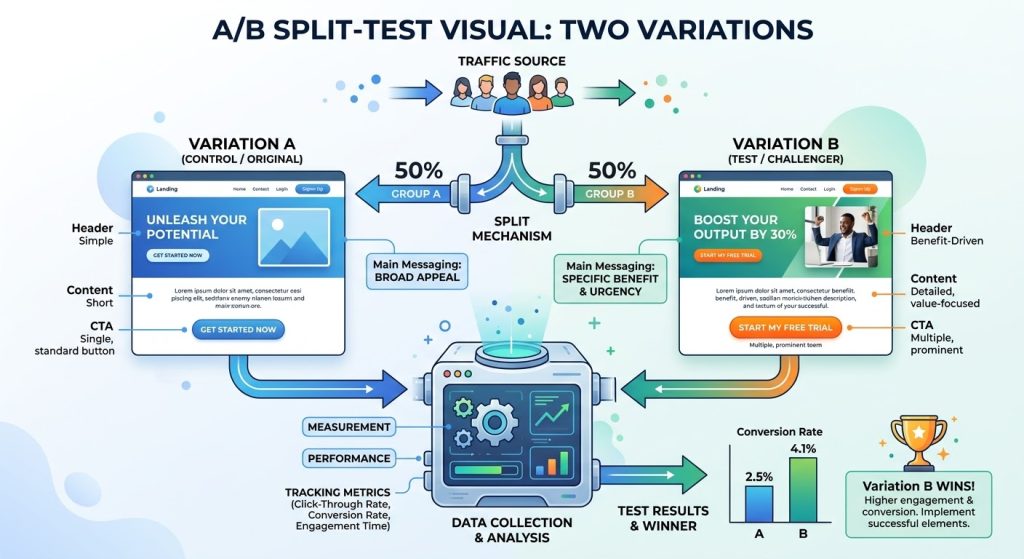
Testing: The Marketer’s Superpower
Test headlines, images, audience targets, and offers. Small tests reveal big improvements.
Budgeting: How to Spend Wisely
Allocate small daily budgets to test; once a winning combo appears, scale gradually. Don’t pour money into untested campaigns.
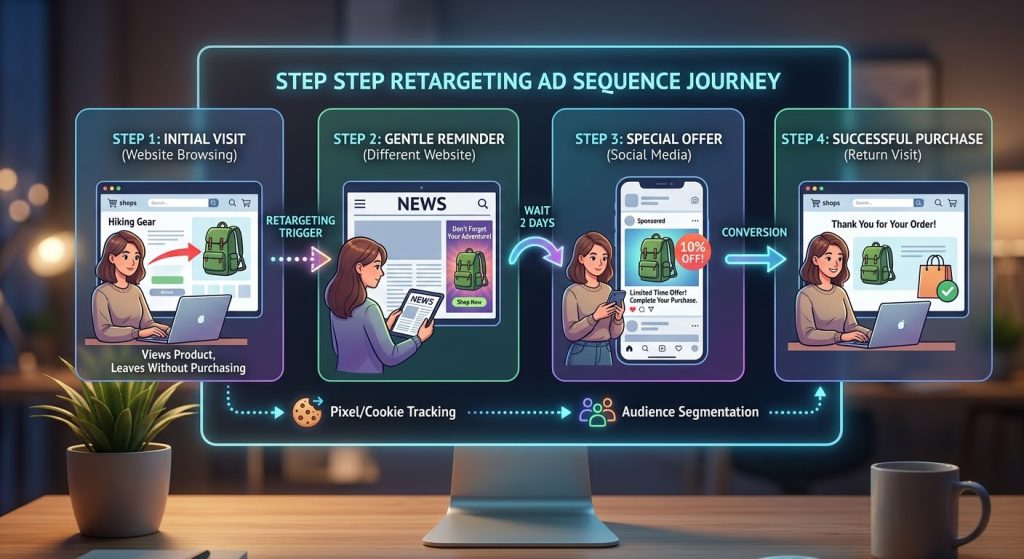
Retargeting: Turning Visitors into Buyers
Retargeting shows ads to people who already visited — they’re warmer and more likely to convert. Use smart funnels.
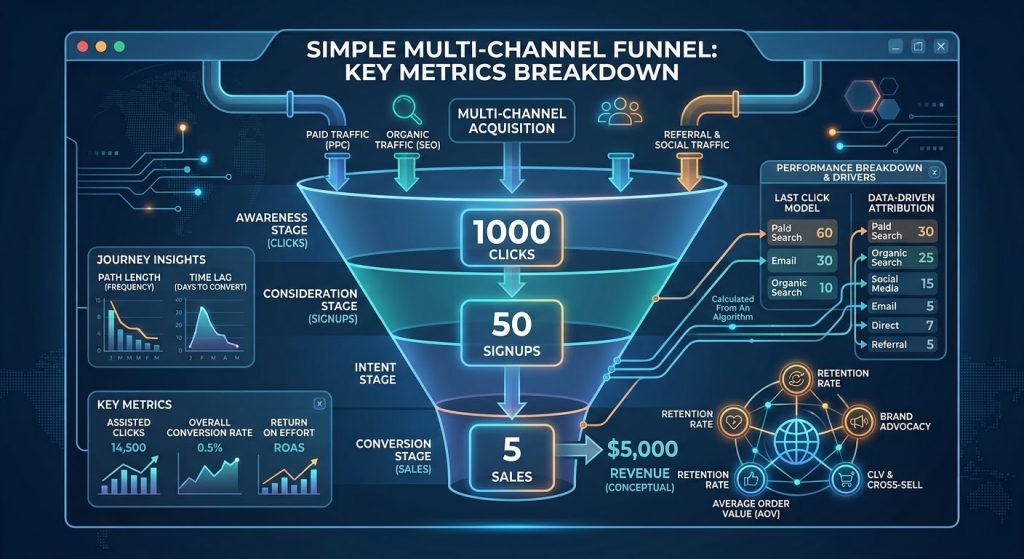
Case Example: Small Business Funnel (Short)
A sample funnel: FB ad → landing page → email capture → 3-email sequence → sale. Break down estimated numbers.
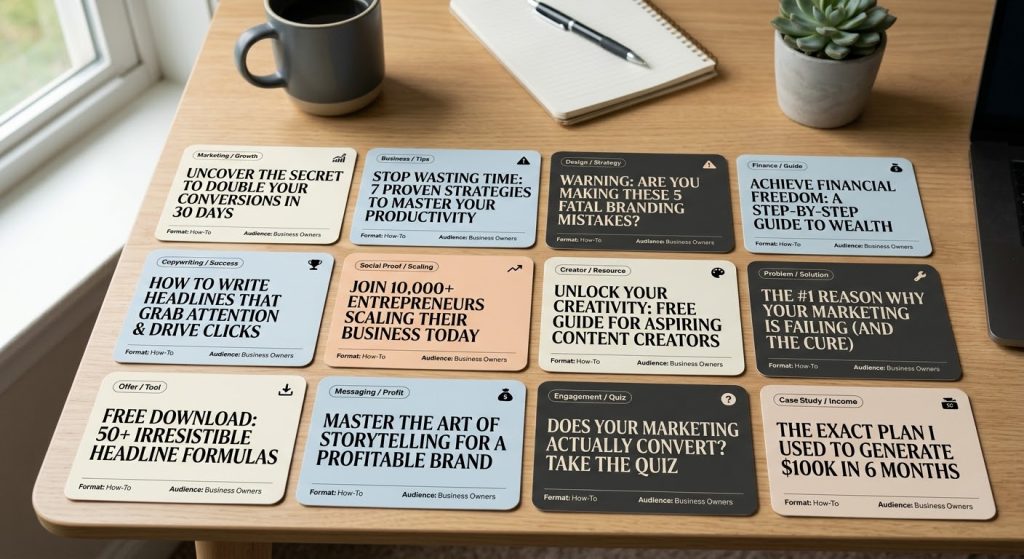
Creative that Converts: Headlines & Offers
Strong headline + clear offer = conversion. Test phrasing and value-first messaging.
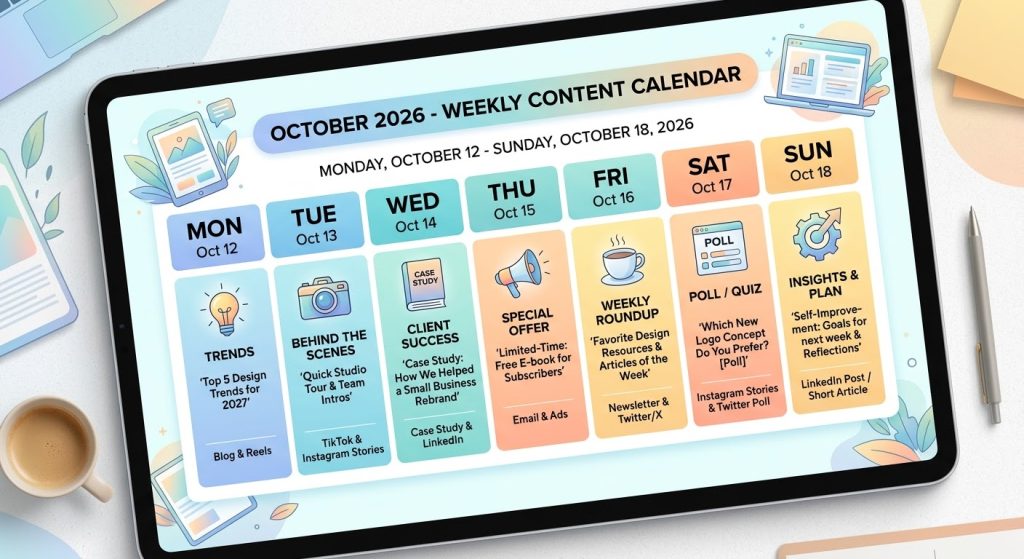
Content Calendar: Plan to Win
Consistency wins. Create a 30-day content calendar focused on topics that match buyer intent.
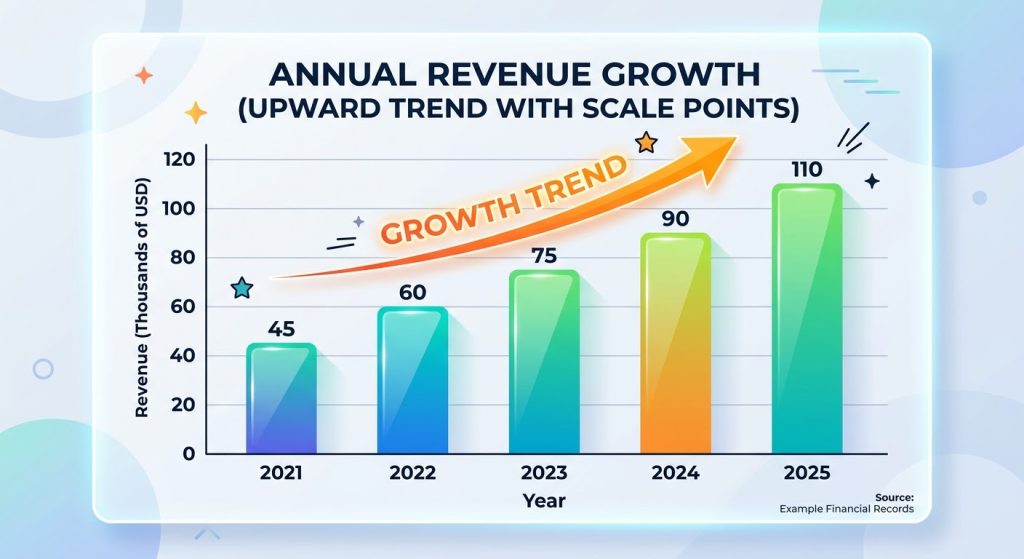
Scaling: When to Increase Spend
Scale budgets when ROI is stable. Track CPA and ROAS before increasing spend.
Outsourcing: Getting Help Without Losing Control
Hire freelancers for tasks like content writing or ad creation, but keep strategy in-house.

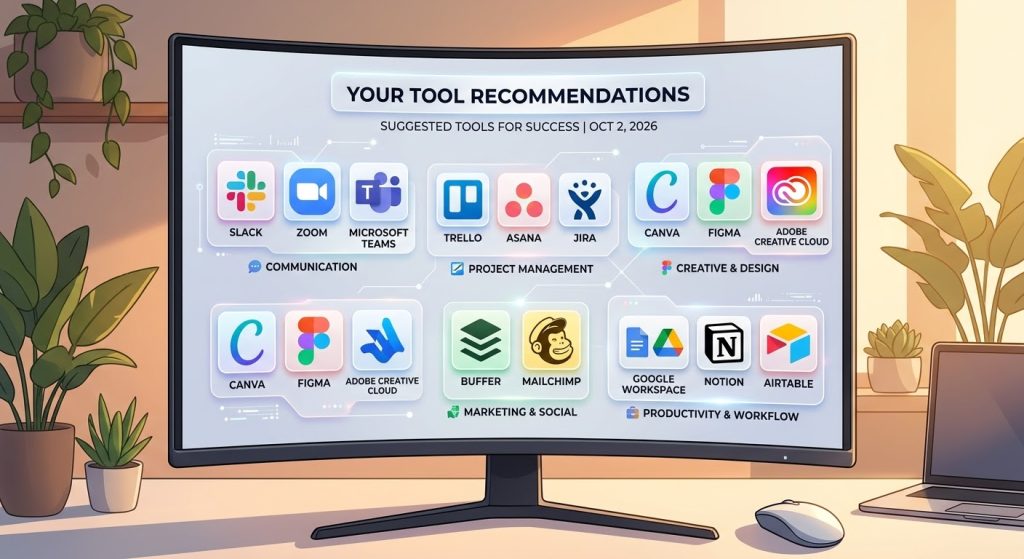
Tools Stack: What You Should Learn First
Start with Google Analytics, a basic email tool (Mailchimp/Sendinblue), and a simple landing page builder.
Legal & Ethics: Respect Your Audience
Don’t use deceptive claims or forced clicks. Respect privacy and use clear opt-ins for emails. Long-term trust matters.

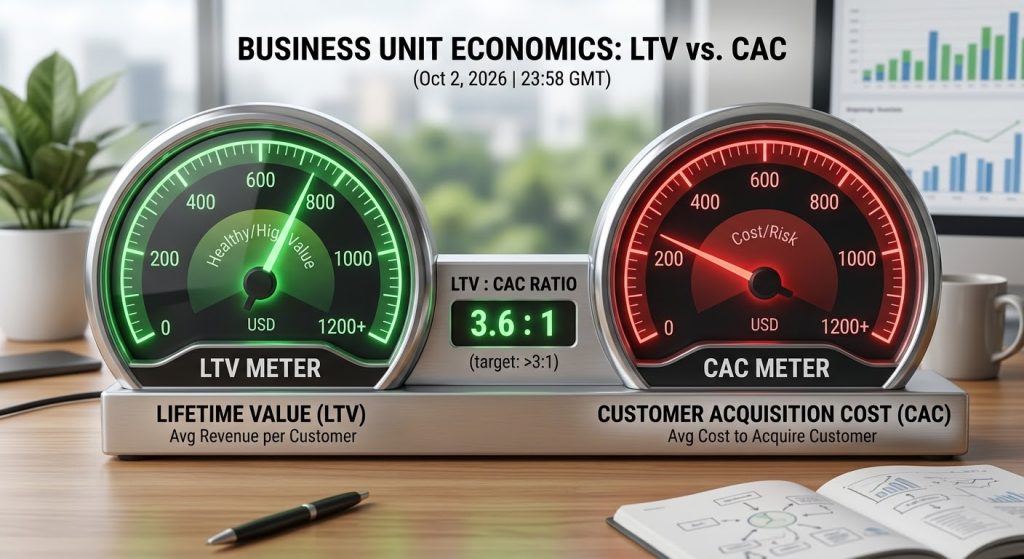
Measuring LTV and CAC
Lifetime Value (LTV) vs Customer Acquisition Cost (CAC) — if LTV > CAC, you can scale profitably.
Building a Schedule: Daily & Weekly Tasks
Small daily tasks (check ads, reply to comments) + weekly reviews (analytics, tests) keep progress steady.

Common Pitfalls to Avoid
Don’t optimize for vanity metrics (likes) — focus on conversions and revenue.

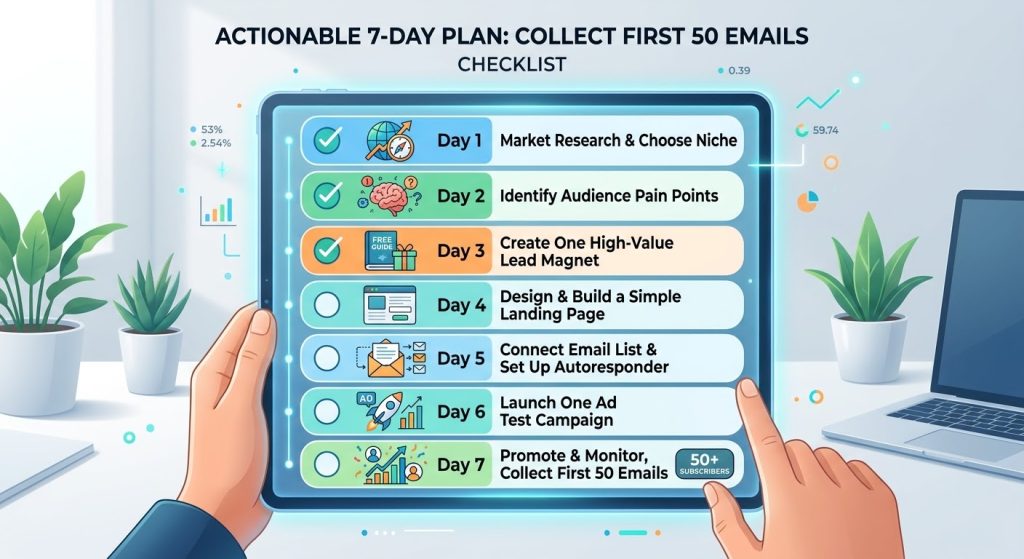
Mini-Assignment: Your First Week Plan
Actionable 7-day plan: choose niche, create one lead magnet, set up one ad test, collect first 50 emails.
Motivation + Social Proof Tease
Many students of this course went from zero to paying clients in months. You can too if you follow the process.

“You’re ready for the most important lesson: the simple formula that turns traffic into paying customers
Page 3 reveals the exact steps — click Continue to unlock it.”